Repair or Replace an Automatic Door? A Building Manager’s Guide

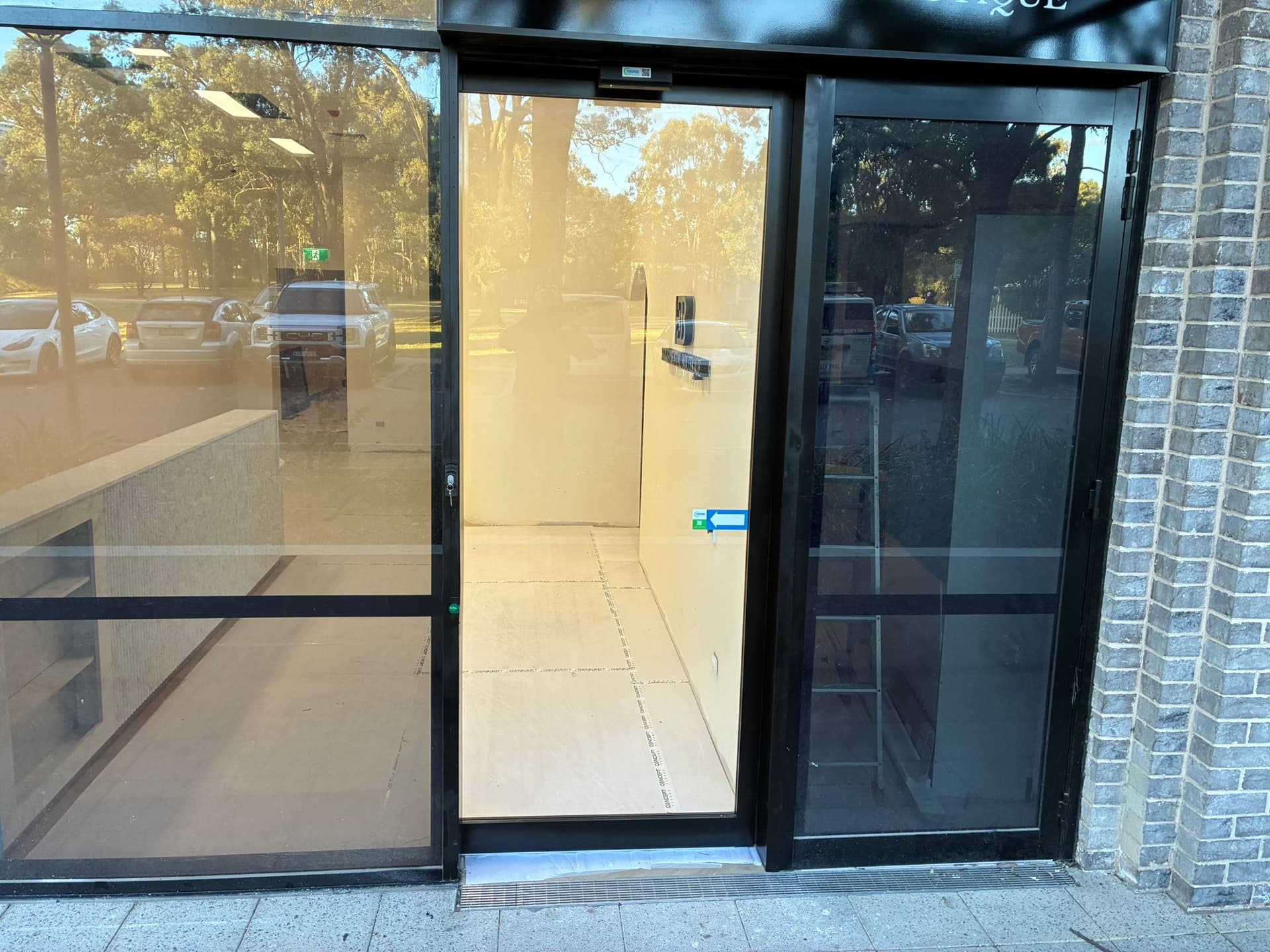
An automatic door that hesitates, stops short or needs another call-out is not necessarily at the end of its life. Equally, replacing one failed component can be poor value when the door has unsupported controls, worn mechanical parts and a history of disrupting the entrance. The useful decision is rarely age alone. It is whether the complete entry can be restored to safe, reliable and suitable operation at a reasonable whole-of-life cost.
For a building, facility or strata manager, there are three credible outcomes: repair the isolated fault, upgrade a sound door where one layer is no longer suitable, or replace the system when condition and operating risk make further repairs difficult to justify. A competent assessment of automatic sliding and swing doors should show the evidence for that recommendation rather than starting with a preferred product.
The Decision at a Glance
Use this as a screening guide, not a remote diagnosis. A technician still needs to inspect the actual door, test its protective functions and understand how the entrance is used.
Repair, upgrade or replace an automatic door
| Likely path | Evidence that supports it | What still needs checking |
|---|---|---|
| Repair | An isolated, identifiable fault; sound leaves, frame and track; supported parts; no pattern of repeated failures | Protective devices, settings, integration and the cause of the failed part |
| Upgrade | The main door and operator remain serviceable, but sensors, activation, locking, access control or monitoring no longer suit the site | Compatibility, responsibility across old and new components, commissioning and future parts support |
| Replace | Multiple worn or damaged systems, obsolete critical parts, unsuitable duty, recurring downtime or an entrance that cannot meet the current brief | Opening geometry, building interfaces, access and egress, electrical works, trading disruption and handover |
Several conditions can apply at once. The recommendation should account for the complete system and the consequence of another fault.
First Control the Immediate Risk and Access Problem
If the door is moving unpredictably, striking people or objects, failing to secure, obstructing an accessway or affecting an exit, treat the operating state before debating capital expenditure. Keep people away from unsafe movement, follow the site’s isolation and emergency procedures, and arrange competent attendance. Do not ask staff to repeatedly force the door, bypass a sensor or work inside an exposed header.
Safe Work Australia’s model Code of Practice for managing plant risks covers plant through installation, use, inspection, maintenance and repair. Its legal effect depends on the jurisdiction, but the lifecycle approach is useful: restoring motion is not enough if the cause, protective functions and safe handover have not been addressed.
Diagnose the Complete Entrance, Not Just the Symptom
A door that will not open could have an activation, access-control, power, lock, control-board, motor, belt, carriage, track or leaf problem. A door that reopens may be responding correctly to a genuine obstruction, a sensor field, misalignment or excessive resistance. Replacing the first suspicious part without testing the system can leave the real cause in place.
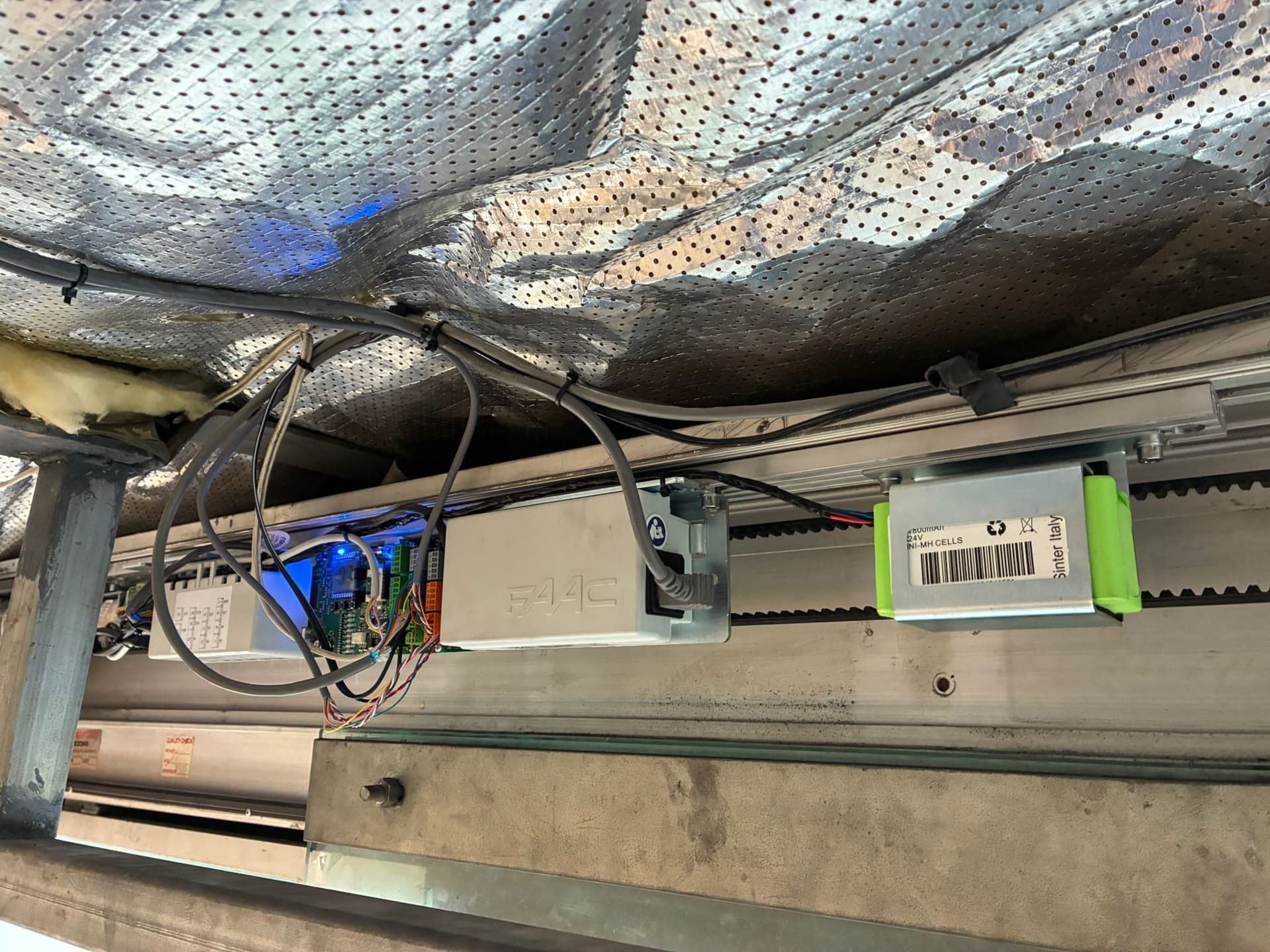
A useful diagnosis records at least four layers:
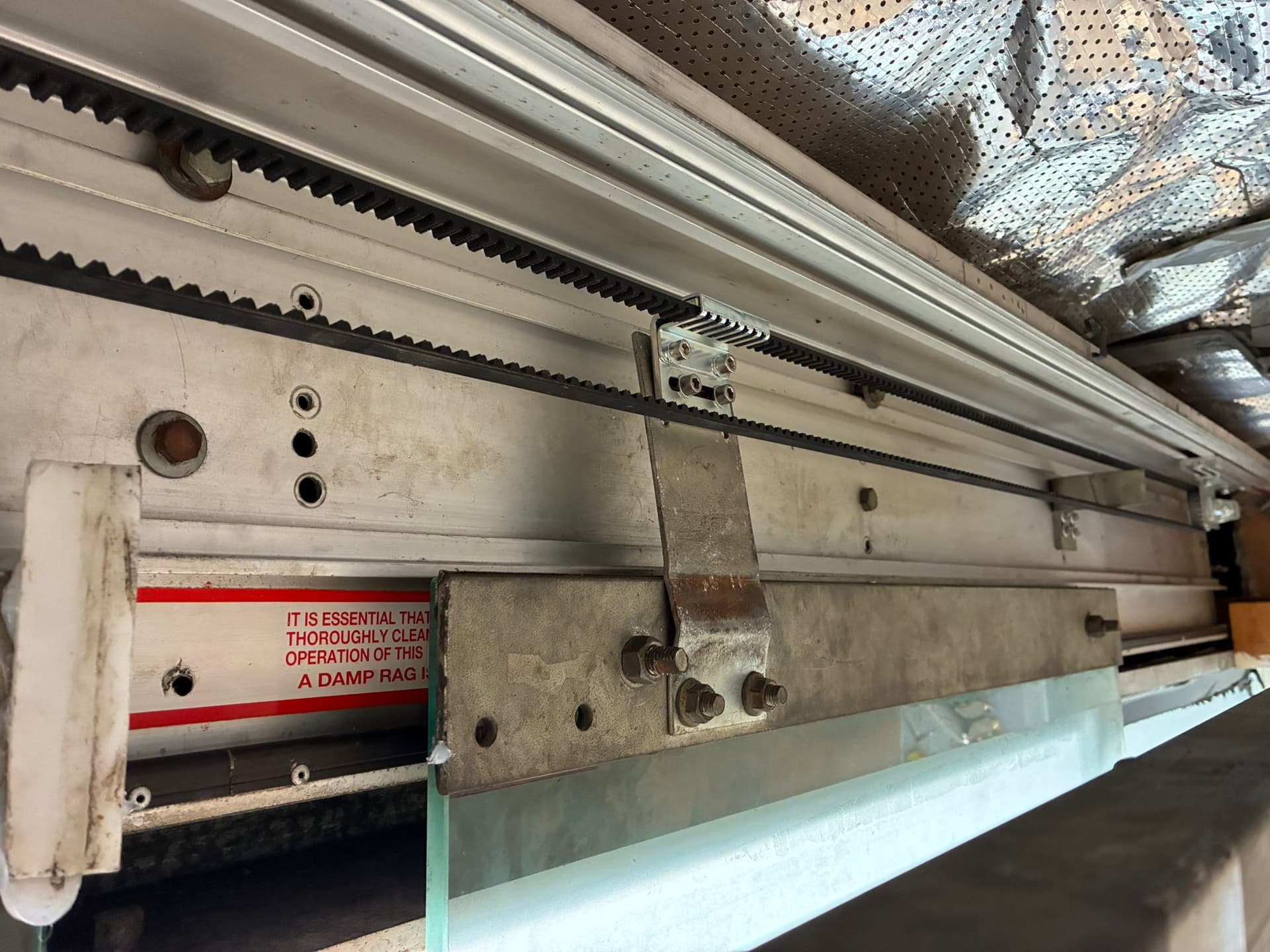
- Mechanical condition: door leaves, glazing, frame, track, guides, carriages, rollers, belt, fixings, alignment and manual movement.
- Operator and controls: motor or drive, controller, power supply, batteries where fitted, limits, configuration, error history and parts support.
- Activation and protective functions: approach detection, presence sensing, push controls, opening and closing behaviour, fault response and user feedback.
- Building integration: locks, key switches, intercoms, fire or security interfaces, credentials and the wider access-control system.
When Repair Is Usually the Strongest Option
Repair is credible when the fault is isolated, the surrounding equipment is in sound condition and the selected part remains supported. Examples may include a damaged guide, worn carriage, belt issue, failed sensor, loose connection, misalignment or control fault, provided inspection confirms that the door can be restored and commissioned for its current use.
Ask whether the repair addresses the cause as well as the failed component, what testing will follow, whether other near-term work was identified, and how long the repaired parts are expected to remain supportable. A planned service and maintenance program can then track condition instead of waiting for the next breakdown.
When an Upgrade Sits Between Repair and Replacement
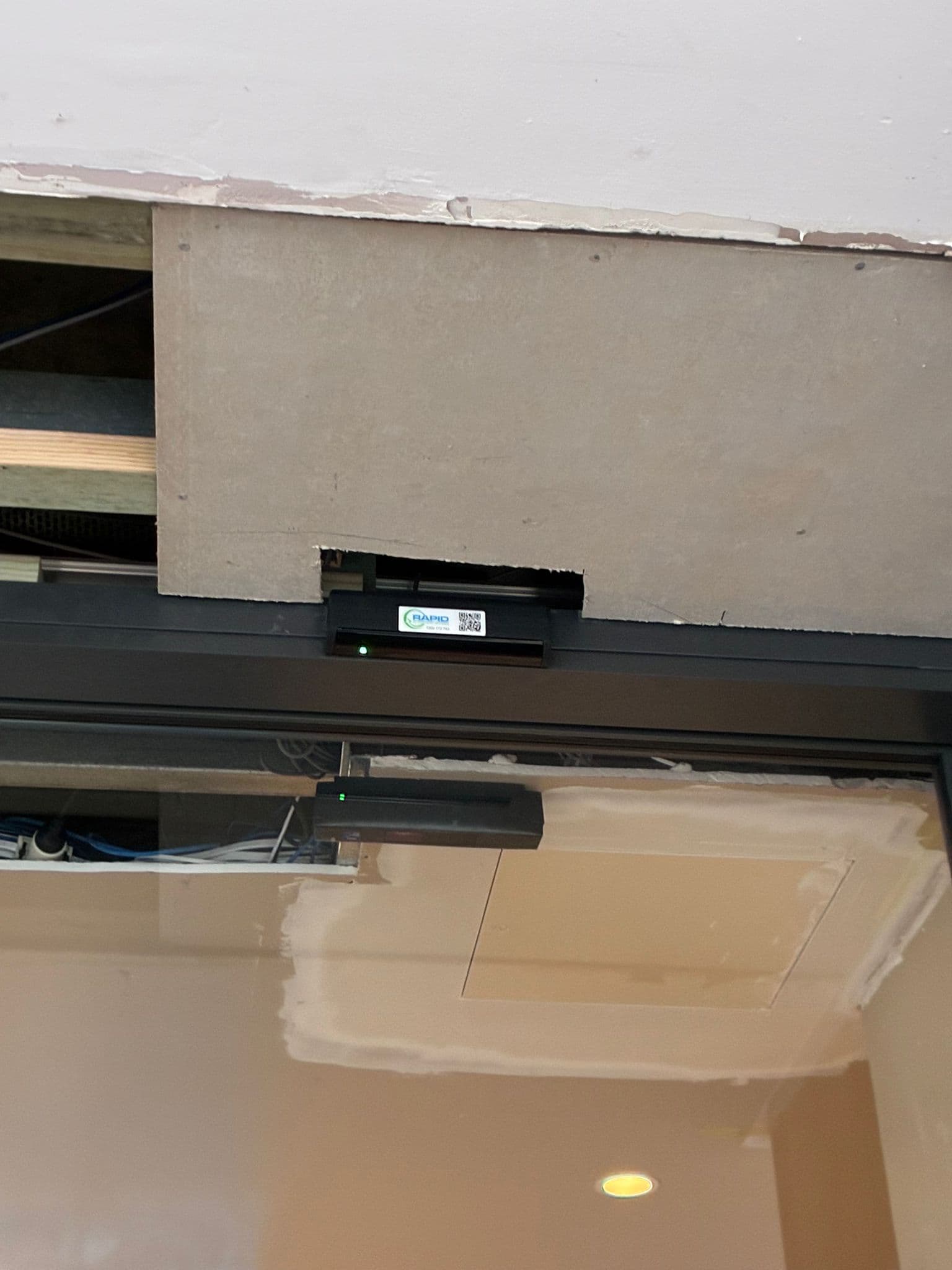
A mechanically sound door may not need wholesale replacement just because the building brief has changed. An upgrade can be appropriate where current activation, presence sensing, locking, credentials or monitoring are the weak point. It may also suit a door that needs better fault visibility or a change in how users enter.
Accessibility must be treated as a complete user journey, not a sensor swap. Our guide to automatic doors and accessible activation explains why location, reach, timing, feedback, alternatives and privacy can matter. Compatibility also needs to be documented: a new sensor or access reader is only useful if it works correctly with the existing operator, locks and building interfaces.
When Replacement Becomes Easier to Justify
Replacement becomes more credible when several parts of the system are near end of support or life, the opening itself is damaged, critical components are unavailable, repairs no longer deliver stable operation, or the original door is unsuitable for current traffic and access needs. The consequence of failure matters too: the same fault history may be tolerable at a secondary staff entry but unacceptable at a healthcare, public-facing or only accessible entrance.
Evidence that should prompt a replacement comparison includes:
- repeated call-outs across different components, especially where the same operational problem returns;
- an obsolete controller, operator or proprietary component with uncertain replacement availability;
- worn track, damaged leaves or frame, excessive resistance, poor alignment or earlier alterations that make a reliable repair difficult;
- a mismatch between the installed system and present traffic, opening size, exposure, security, accessibility or downtime requirement; or
- a repair plan that replaces several major assemblies without providing a clear support or reliability advantage over a properly scoped new system.
Compare Whole-of-Life Cost, Not Just This Call-Out
Put the immediate repair quote beside the cost of likely follow-up work, emergency attendance, staff time, security coverage, temporary access, disrupted customers or deliveries, and the consequence of the door being unavailable again. For replacement, include electrical and building work, access-control integration, trading or tenant disruption, commissioning, training, documentation and planned maintenance.
Avoid a universal age threshold. Two doors installed in the same year can have very different duty, exposure, maintenance history and parts support. A condition-based recommendation with a defined planning horizon is more useful than “old equals replace” or “moving equals repairable”.
Treat Compliance and Accessibility as Site-Specific Inputs
An automatic pedestrian door may form part of an accessway, building entry, security line or egress arrangement. The current Disability (Access to Premises - Buildings) Standards cover access to and within relevant buildings, including accessways, entrances and doors. AS 5007:2007 addresses powered doors for pedestrian access and egress within its scope. The NCC, electrical requirements, fire or security interfaces, manufacturer instructions and state or territory law may also apply.
Do not assume that replacing an operator automatically makes the entrance compliant, or that retaining an existing door preserves every prior approval. Confirm the applicable requirements and obtain qualified building, access, fire, electrical or other specialist advice where the project scope requires it. This article is a maintenance decision guide, not a compliance assessment.
What to Prepare for the Site Assessment
A better brief produces a better recommendation. Provide the equipment make and model if known; clear photographs of the full opening and operator label; the fault pattern and error display; recent service reports and invoices; when the problem occurs; daily and peak traffic; who uses the entrance; the longest acceptable outage; current access, lock, fire and security interfaces; and any planned tenancy or building changes.
Record what the door actually does rather than only “not working”: does it stay closed, reopen, move slowly, stop at one position, scrape, make a new noise, fail only after hours, lose access-control commands or behave differently in wind, rain or peak traffic? Do not stand in the movement area to create a video of an unsafe fault.
What a Useful Recommendation and Handover Should Contain
Ask for the diagnosed cause, observed condition, work completed, parts used, tests performed, current operating state, unresolved risks, further recommended work and the assumptions behind any repair-versus-replacement comparison. If replacement is proposed, the scope should identify what is retained, removed and integrated, who owns associated building and electrical work, the outage plan, commissioning, user handover, warranty and maintenance expectations.
The strongest decision may be a modest repair, a targeted upgrade or a planned replacement. What makes it defensible is evidence: complete-system condition, fault history, parts support, current use, safety and accessibility inputs, downtime consequence and a documented handover. If your site needs that comparison, request an automatic-door site assessment before approving another isolated call-out or a full replacement.
Dealing with a recurring automatic-door fault?
Get a diagnosis before approving another repair or a replacement
Rapid Automatic Access can assess the door leaves, operator, sensors, controls, locks, usage and fault history, then document repair, upgrade and replacement options for the site.
Related articles
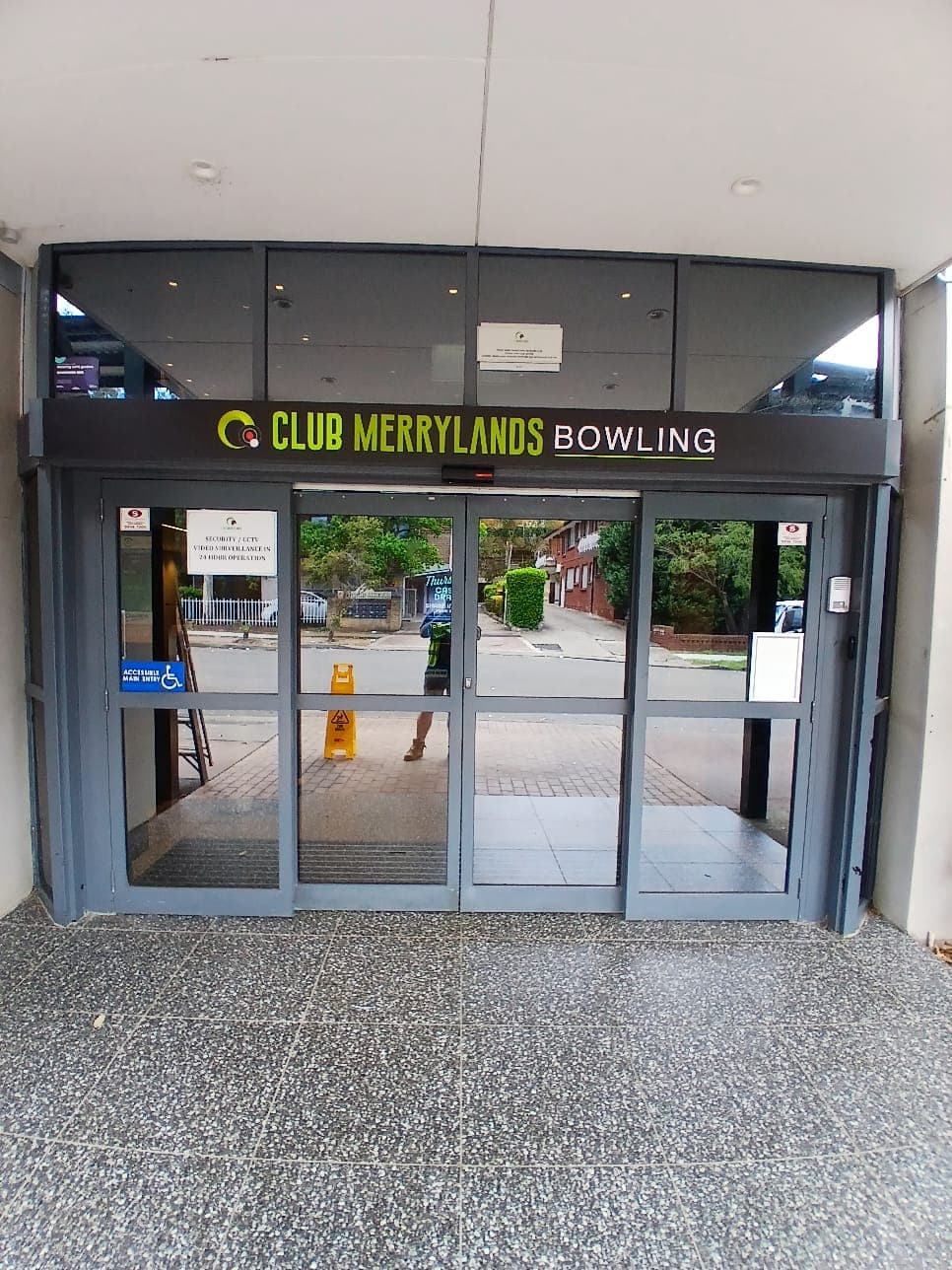
Automatic Doors
Automatic Doors and Accessibility: Why ‘Wave to Open’ Isn’t Always Inclusive
Learn why wave sensors can exclude some users and how accessible automatic-door activation, timing, feedback and safety features should be assessed.
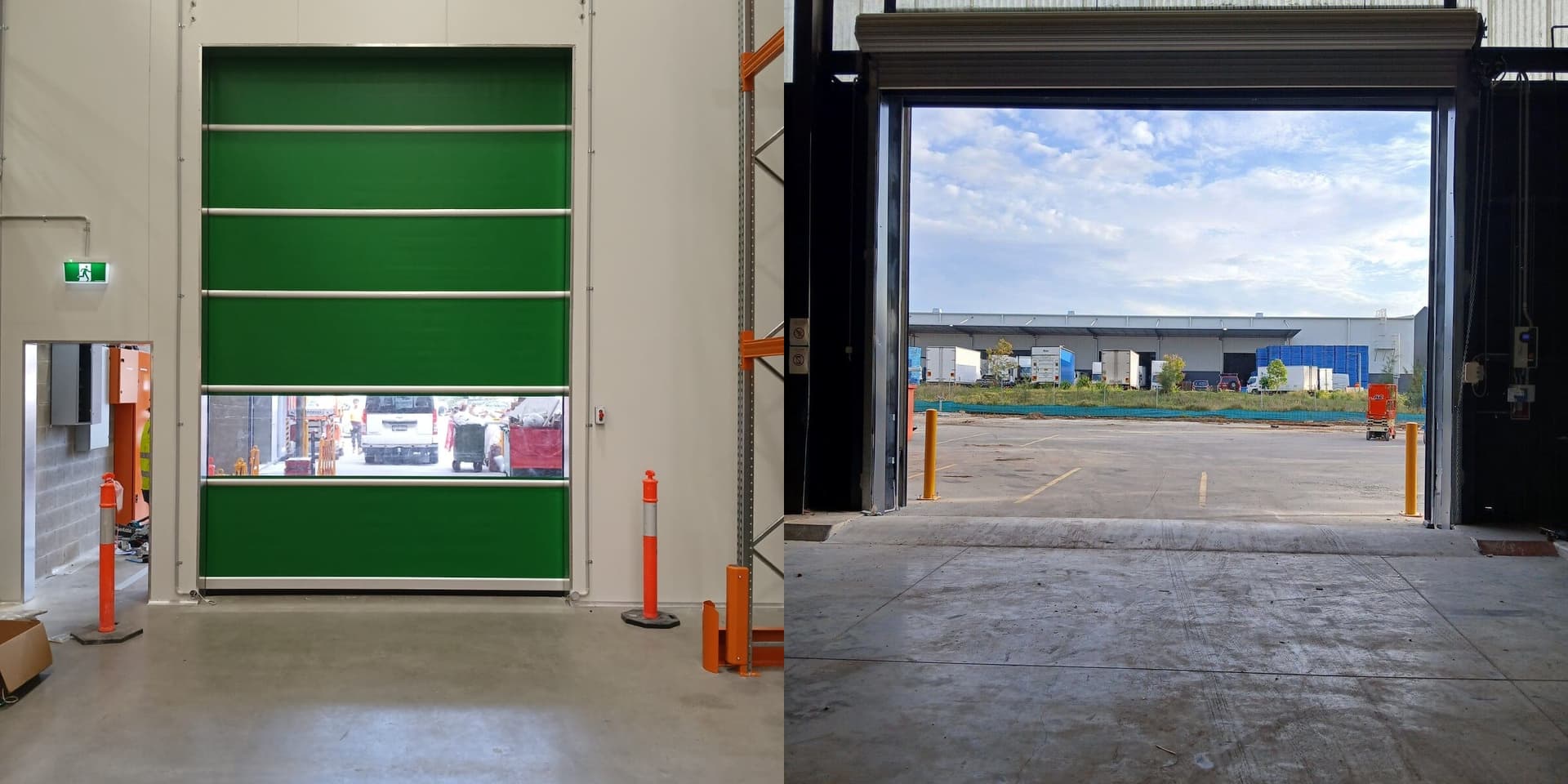
High-Speed Doors
High-Speed Doors vs Industrial Roller Doors
Compare high-speed and industrial roller doors by traffic, opening cycle, environment, security, impacts, maintenance, downtime and whole-of-life cost.
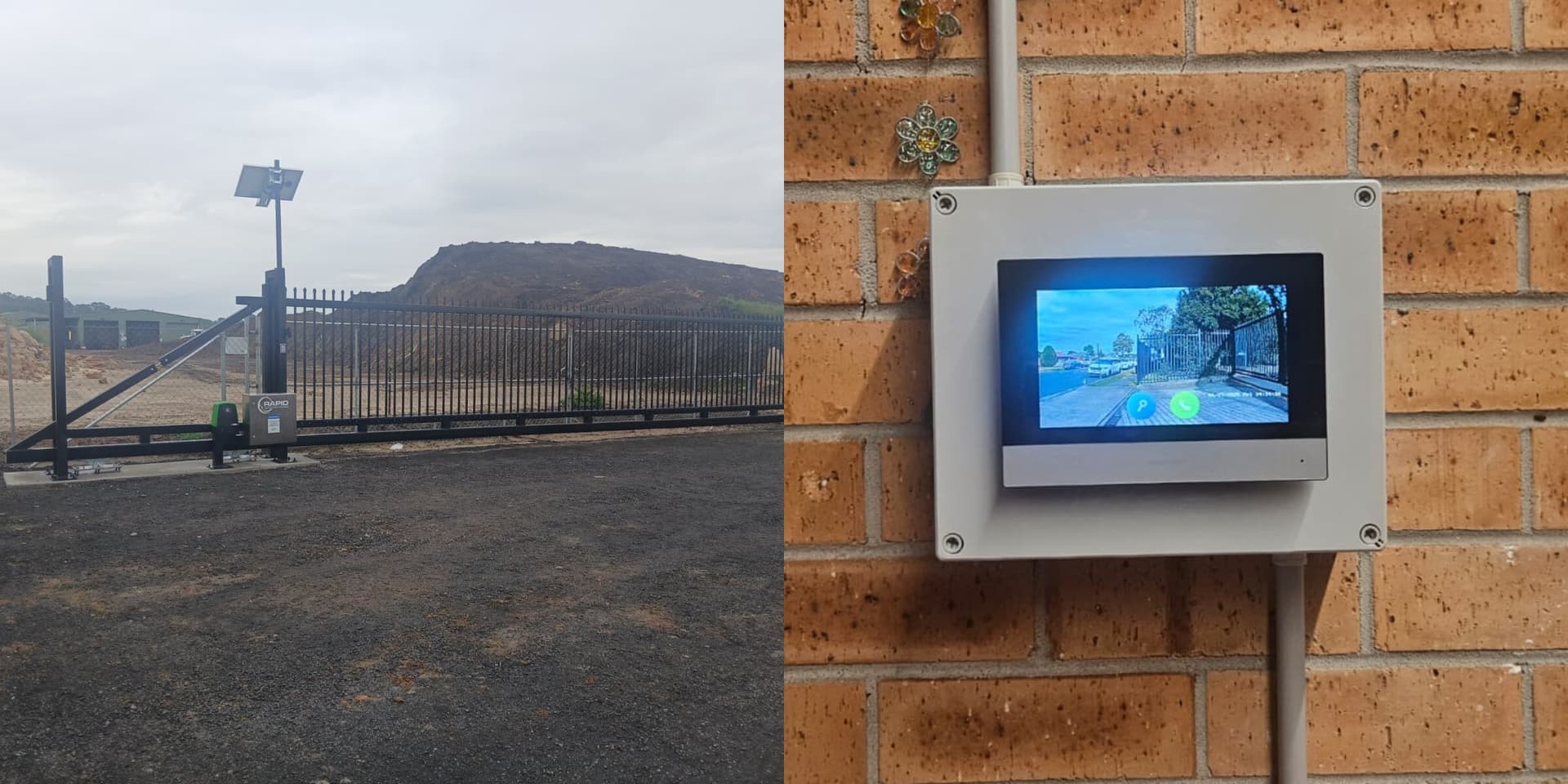
Smart Access Technology
The Future of Automated Access: How AI and IoT Are Shaping Gate and Security Systems in Australia
How AI, IoT, secure readers and predictive maintenance are changing Australian gate and access systems — and what to assess before upgrading.