High-Speed Doors vs Industrial Roller Doors

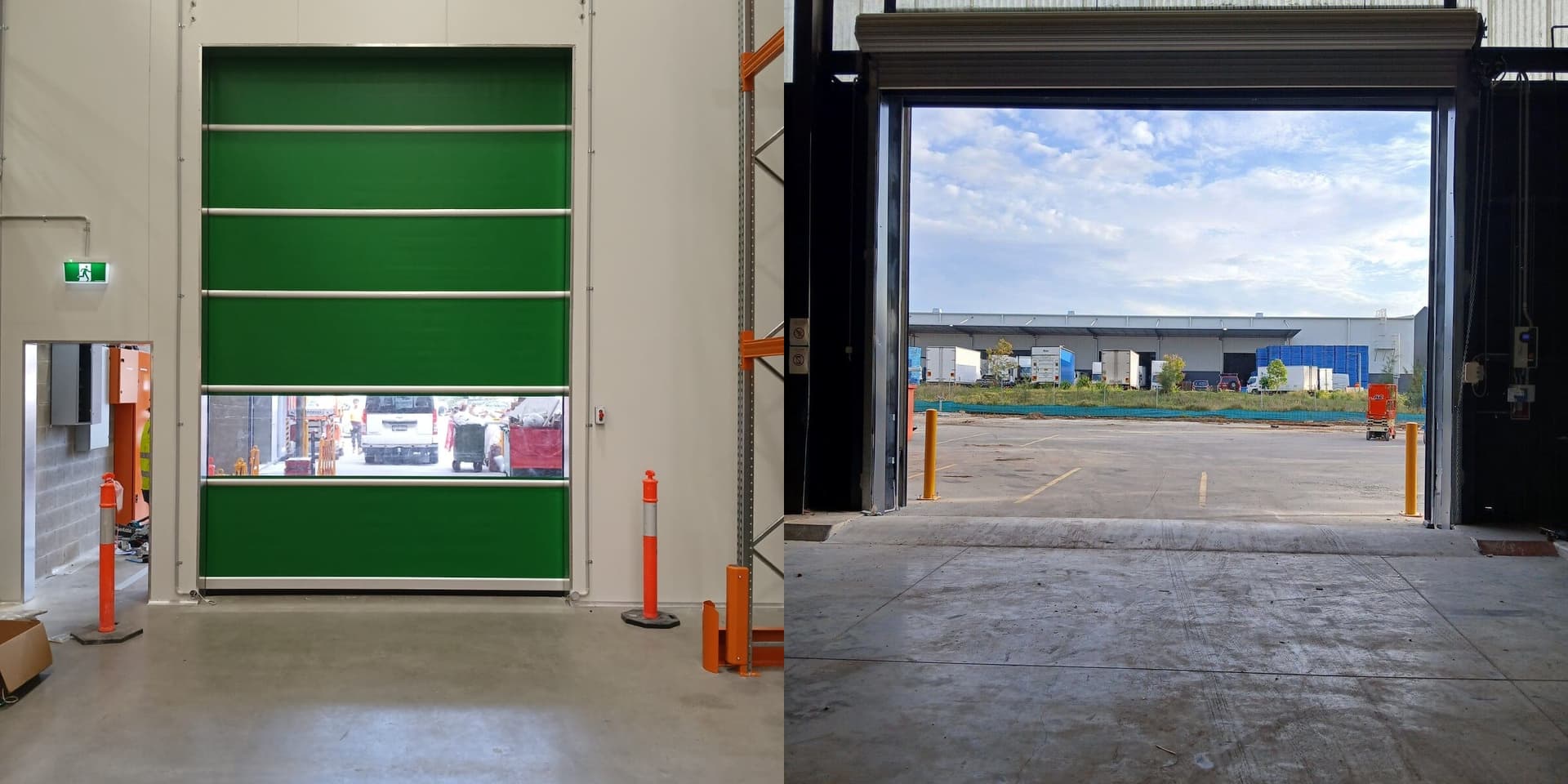
When selecting doors for an industrial or commercial facility, two common options are high-speed rapid roller doors and industrial roller doors. Each type offers unique advantages suited to different operational needs. Understanding their differences can help you choose the most suitable door for your business.
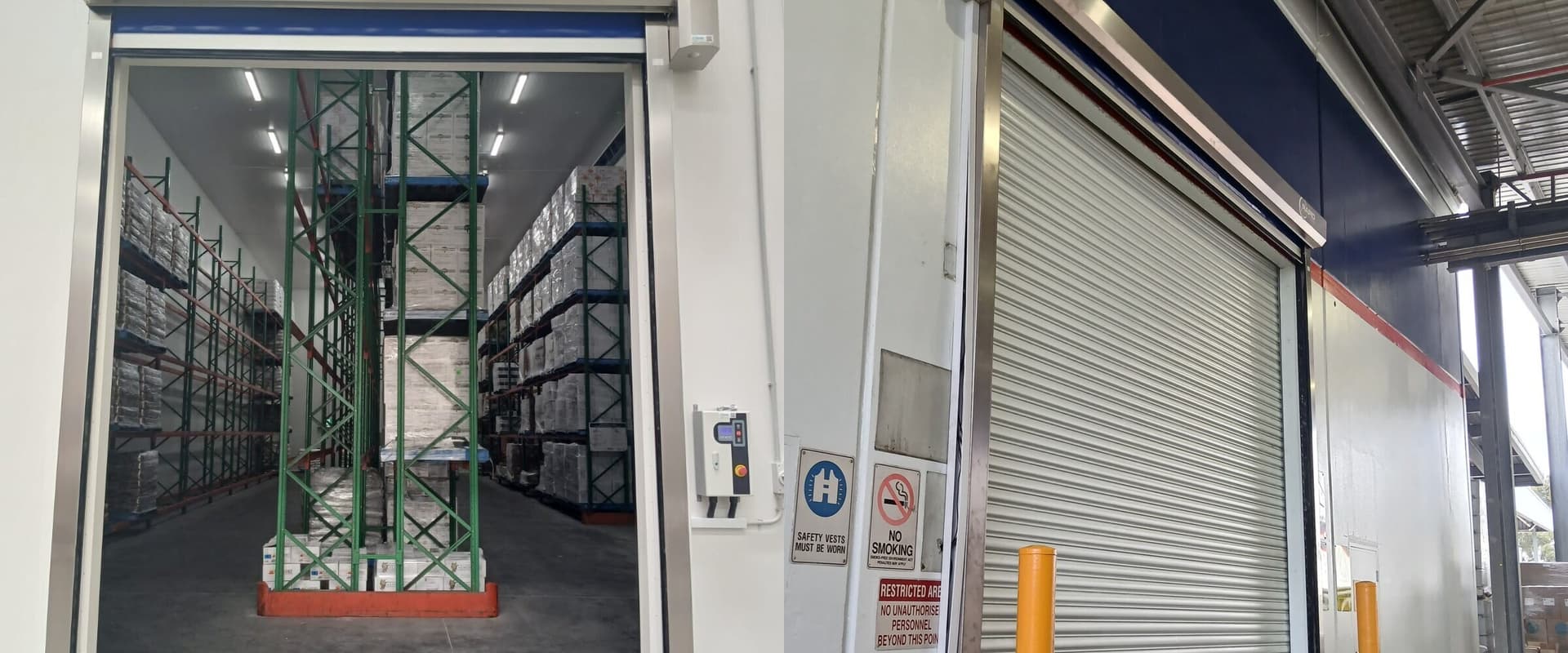
1. Speed & Efficiency
- High-Speed Doors:
- Can be specified for fast opening and closing cycles. Compare quoted speeds at the actual door size and wind or pressure conditions rather than assuming a universal rate.
- Ideal for high-traffic areas needing rapid access.
- Best for: Busy logistics centers, food processing plants, pharmaceutical manufacturing facilities.
- Industrial Roller Doors:
- Usually prioritise a robust closure over a rapid traffic cycle. Exact speed depends on the curtain, opening, drive and controls.
- Suitable for environments where security takes precedence over speed.
- Best for: Warehouses, retail facilities, and loading docks with moderate traffic.
2. Material and Construction
- High-Speed Doors:
- Made from flexible PVC, reinforced fabrics, or composite materials.
- Often include transparent sections for improved visibility.
- Best for: Cleanrooms, food production, and pharmaceutical industries where hygiene and quick accessibility are critical.
- Industrial Roller Doors:
- Constructed from robust steel or aluminum.
- Can provide a more substantial external closure, but wind, impact and intrusion performance must be confirmed from the tested or engineered product specification.
- Best for: Warehouses, commercial units, and areas prioritising security.
3. Energy Efficiency and Insulation
- High-Speed Doors:
- Minimise air exchange, reducing heat loss and maintaining stable temperatures.
- Essential for climate-controlled environments.
- Best for: Cold storage, pharmaceutical, and manufacturing facilities.
- Industrial Roller Doors:
- May be available with insulated slats or curtains. Thermal performance depends on the complete assembly, perimeter sealing, opening duration and operating frequency.
- Best for: Facilities that require moderate insulation while prioritising durability and security, such as warehouses and commercial storage units.
4. Durability & Maintenance
- High-Speed Doors:
- Some flexible high-speed door systems offer breakaway or self-resetting features after specified impacts. Confirm the impact limits, reset procedure and parts that remain consumable.
- Best for: Facilities with regular forklift or pedestrian traffic.
- Industrial Roller Doors:
- A robust curtain can suit exposed openings, but vehicle impacts may damage slats, guides, bottom rails or drives. Compare repair access, parts availability and expected downtime.
- Best for: Facilities where durability and security are priorities, and damage risk is moderate.
5. Security
- High-Speed Doors:
- Flexible internal high-speed doors may provide limited intrusion resistance; rigid or hybrid products differ. Use the tested product rating and locking design rather than the category name.
- Best for: Interior sections of secure facilities.
- Industrial Roller Doors:
- Can form a substantial perimeter closure when the curtain, guides, locks, structure and controls are designed as a system. Security performance still varies by product and installation.
- Best for: Warehouses, commercial buildings, and storage areas needing strong security.
6. Cost
- High-Speed Doors:
- May carry a higher initial price, but the business case should model cycle time, air exchange, incidents, downtime, maintenance and useful life using site data.
- Best for: Companies with higher budgets and energy-saving goals.
- Industrial Roller Doors:
- May have a lower initial price for some openings, but whole-of-life cost still depends on duty, damage exposure, servicing, energy and the cost of downtime.
- Best for: Budget-conscious businesses prioritising initial cost savings.
Industry-Specific Recommendations
High-Speed Rapid Roller Doors Ideal For:
- Food processing and manufacturing facilities
- Pharmaceutical and chemical industries
- Cleanroom environments
- Automotive and logistics hubs
- Cold storage and freezer rooms
Industrial Roller Doors Ideal For:
- General warehousing
- Retail and commercial premises
- Manufacturing plants with moderate traffic
- Garages and automotive repair shops
- Facilities where security and robustness are critical
Choosing the right door depends on your specific facility needs:
- High-Speed Doors: Often considered where fast cycling and reduced open time matter, provided the selected product also meets the site’s environmental, wind, impact and security requirements.
- Industrial Roller Doors: Often considered where a substantial perimeter closure matters more than rapid cycling, subject to the specified wind, security, insulation and duty performance.
Treat these as starting points, not universal product rules. Compare suppliers against one written operating brief and ask them to identify assumptions, exclusions and maintenance requirements.
Include Safety and Downtime in the Comparison
The Safe Work Australia model code for the work environment and facilities requires duty holders to manage workplace risks; the door assessment therefore needs to consider vehicle and pedestrian interaction, visibility, activation, closing movement, emergency operation and maintenance access. Compare the broader commercial and industrial door options where a high-speed product is not the right fit, and price the service response needed to restore an opening after a fault or impact.
Contact us for a site-specific comparison and installation proposal.
Comparing industrial door types?
Specify the operating duty before comparing products
Rapid Automatic Access can assess opening cycles, traffic, temperature, wind, security, impacts and downtime requirements, then compare suitable high-speed and industrial door configurations.
Related articles
High-Speed Doors
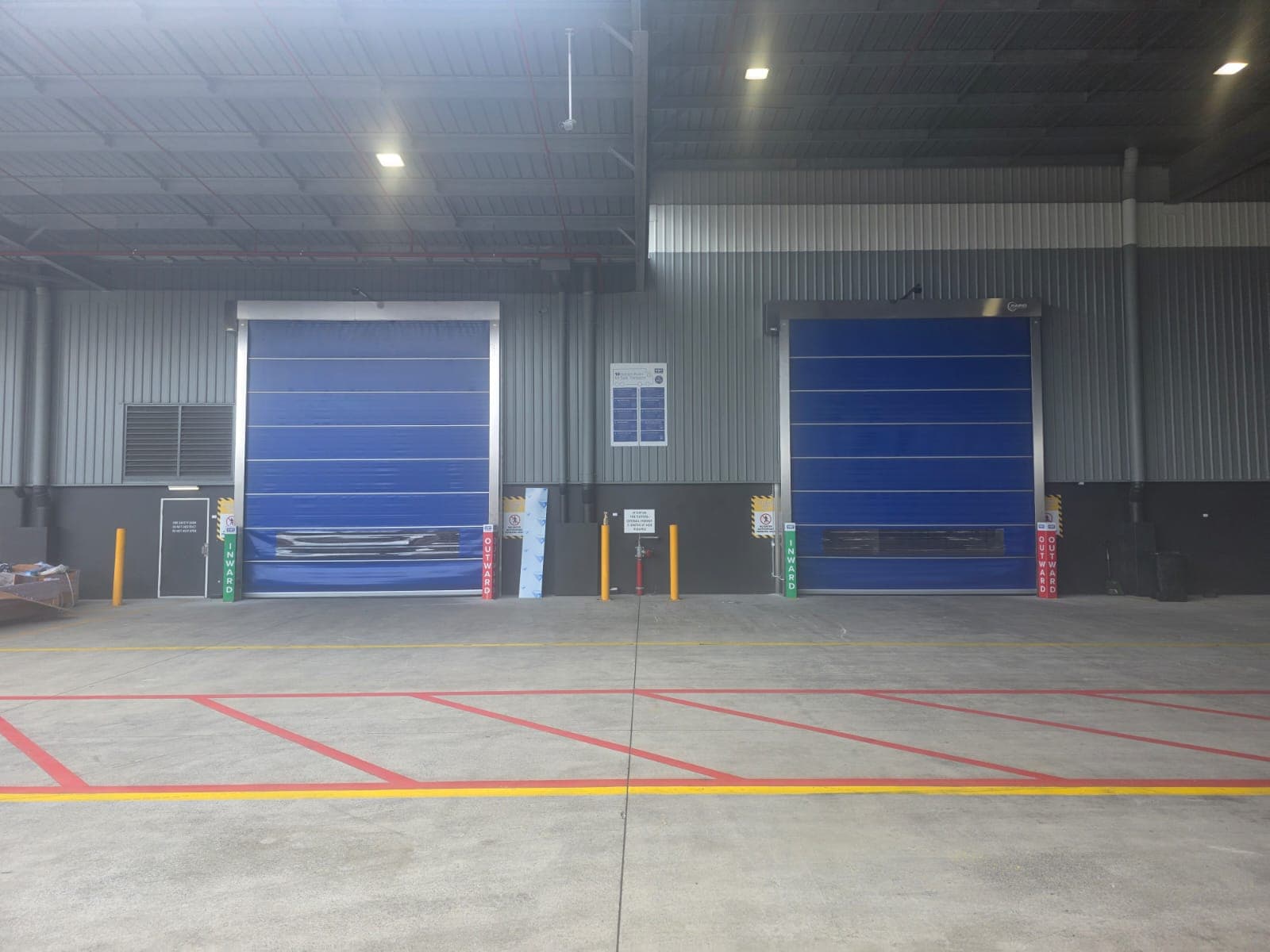
Where High-Speed Doors Work: 12 Facility Environments
Compare 12 facility environments that use high-speed doors and the operating factors — traffic, hygiene, temperature, wind and impacts — that shape selection.
Automatic Doors
Automatic Doors and Accessibility: Why ‘Wave to Open’ Isn’t Always Inclusive
Learn why wave sensors can exclude some users and how accessible automatic-door activation, timing, feedback and safety features should be assessed.
Smart Access Technology
The Future of Automated Access: How AI and IoT Are Shaping Gate and Security Systems in Australia
How AI, IoT, secure readers and predictive maintenance are changing Australian gate and access systems — and what to assess before upgrading.