Where Boom Gates Work: Requirements by Site Type

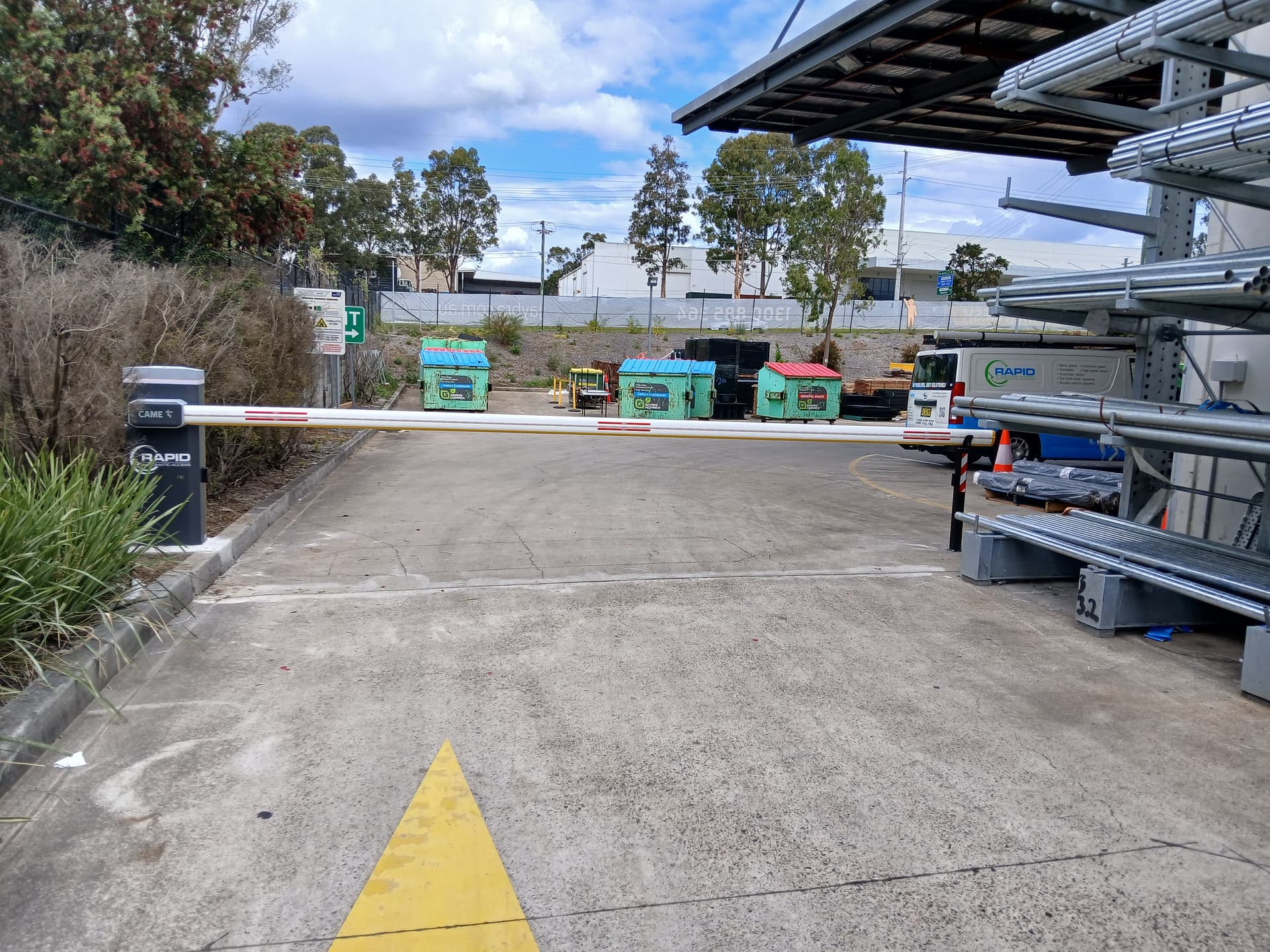
A boom gate can make vehicle access visible and repeatable, but “this industry uses barriers” is not enough to specify one. Two sites in the same sector can have very different traffic peaks, vehicle sizes, security risks and downtime tolerance. Start by defining the lane and operating requirement, then select a boom-gate system with an appropriate boom length, duty cycle, opening time, safety detection, controls and support plan.
Requirements Every Site Should Quantify
Record the lane width and approach geometry; vehicle types and overhangs; typical, peak and exceptional movements; opening-time target; entry and exit credentials; visitor and delivery workflow; pedestrian and cyclist conflicts; tailgating risk; required event records; power and network availability; response during a fault; and who owns inspections and maintenance. Consider whether a barrier arm alone provides enough deterrence or whether the wider vehicle access-control design also needs gates, bollards, intercoms, cameras or traffic signals.
Strata and Residential Car Parks
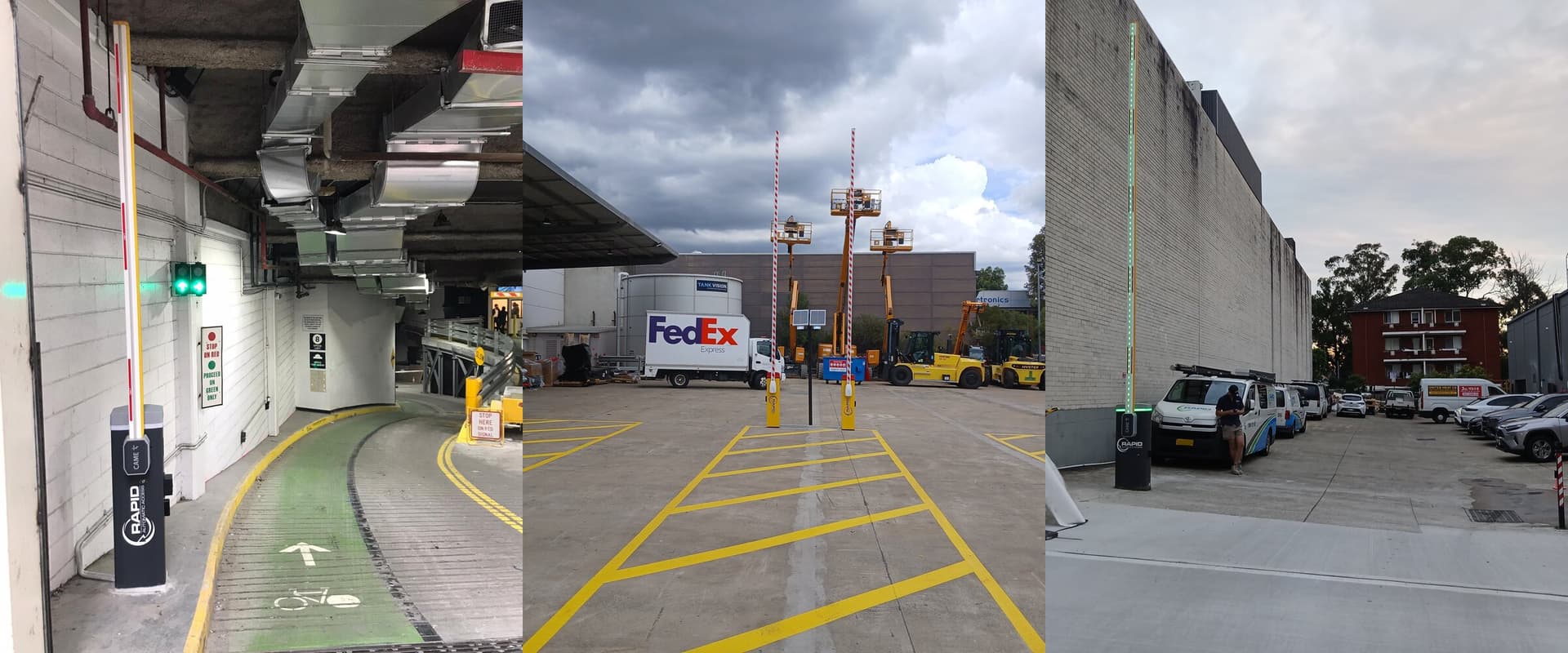
Resident convenience and visitor handling usually dominate. Check peak departures, queue space, delivery access, remote or credential management, lost-device cancellation, after-hours faults and how emergency or service vehicles enter. The body corporate also needs a clear approval, funding and maintenance process. A barrier arm controls vehicles; provide a separate, accessible pedestrian route where people would otherwise use the traffic lane.
Commercial and Paid Parking
Throughput, payment exceptions and uptime are central. Model the slowest transaction — not only the barrier opening speed — and confirm queue storage at the entry and exit. A complete car-park access system may combine tickets, licence-plate recognition, pay stations, intercom assistance, occupancy logic and reporting. Define what happens when a ticket is unreadable, payment fails or the network is offline.
Warehousing, Logistics and Industrial Sites
These lanes may combine high movement counts, long vehicles, contractors, shift changes and harsh exposure. Confirm boom length and supports, clearance for truck bodies and loads, loop or presence-detection placement, credentialing for recurring carriers, induction exceptions and the safe position during a fault. Separate pedestrian paths and traffic management are essential where workers cross vehicle routes.
Hospitals, Campuses and Public-Facing Facilities
Design around unfamiliar users, taxis, emergency access, accessible parking, service vehicles and event peaks. Instructions and intercom help need to be obvious from the driver’s position. Define priority override and fallback procedures with the facility operator; an access barrier must not obstruct required emergency response or safe egress.
Construction and Temporary Worksites
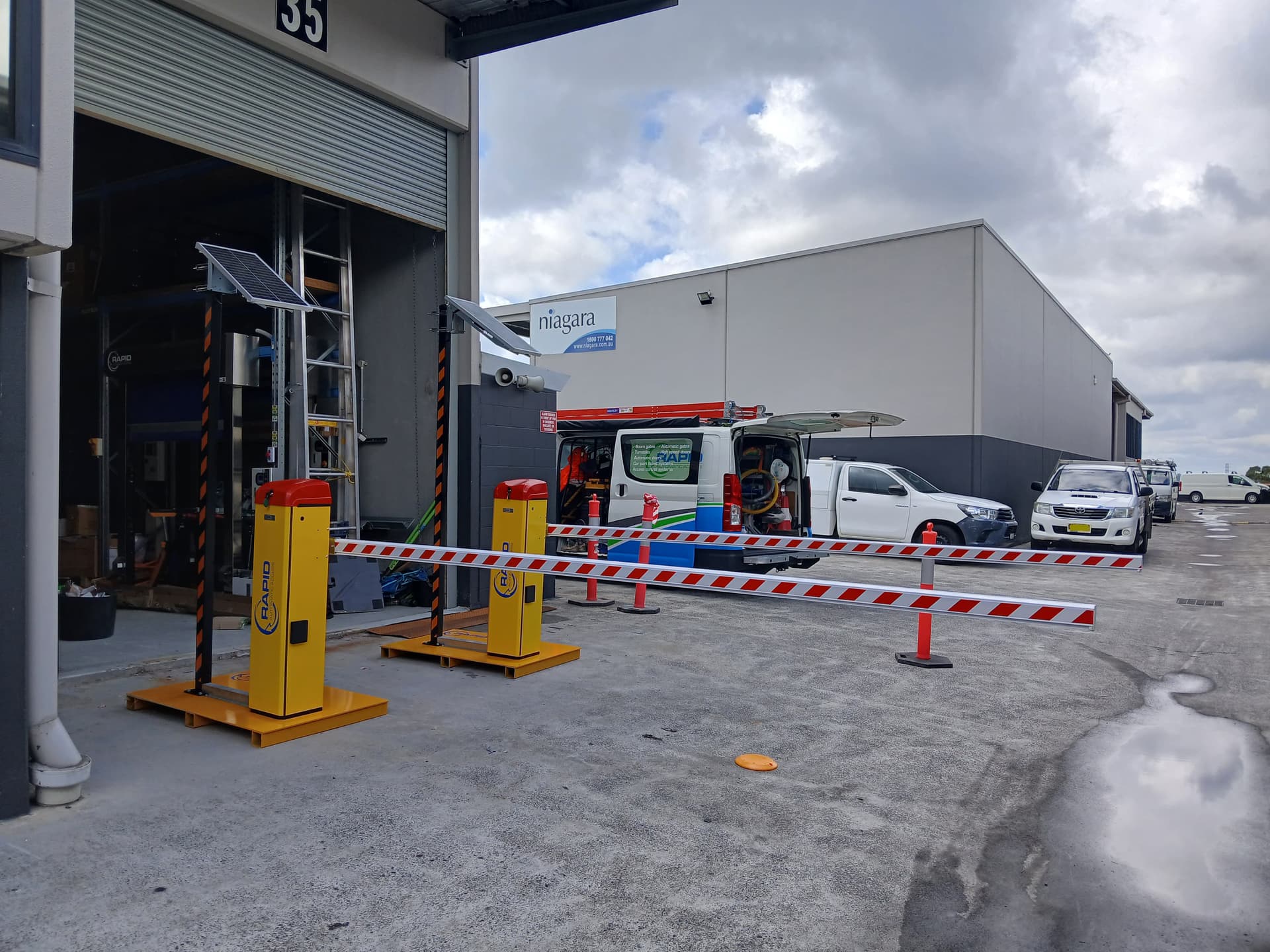
Changing access points, temporary power, dust, mud, oversized deliveries and frequent contractors make portability and setup discipline important. Confirm the foundation or ballast, approach visibility, protection from plant impact, credential changes as crews rotate and the relocation process. A portable barrier still needs a documented traffic and safety assessment; “temporary” does not mean uncontrolled.
Secure and Critical Facilities
A standard barrier arm is a traffic-control device, not a crash-rated vehicle barrier. Sites with a credible hostile-vehicle threat need a specialist security-risk assessment and appropriately tested measures. Where the objective is ordinary access control, specify credential assurance, anti-passback or tailgating response, camera coverage, alarm handling and the perimeter gaps that remain when the arm is down.
Safety and Maintenance Are Selection Criteria
The risk controls depend on vehicles, pedestrians, cyclists, lane geometry and equipment behaviour. SafeWork NSW’s industrial gate guidance emphasises competent installation, inspection and maintenance for industrial gates. Apply the same disciplined approach to barrier equipment: document safety devices and test intervals, protect the cabinet from impact, train operators and arrange a service response that matches the site’s downtime tolerance.
The Output Should Be a Site Requirement, Not an Industry Label
A useful specification states the traffic volume, lane and vehicle envelope, opening target, duty cycle, credential workflow, safety controls, integration points, failure state, emergency procedure, environmental exposure and maintenance response. Those facts determine whether a boom gate is suitable and which configuration to price.
Specifying a vehicle barrier?
Turn the site requirements into a lane design
Rapid Automatic Access can assess traffic, lane geometry, credentials, safety detection, integrations, failure modes and maintenance before recommending a boom-gate configuration.
Related articles
Boom Gates
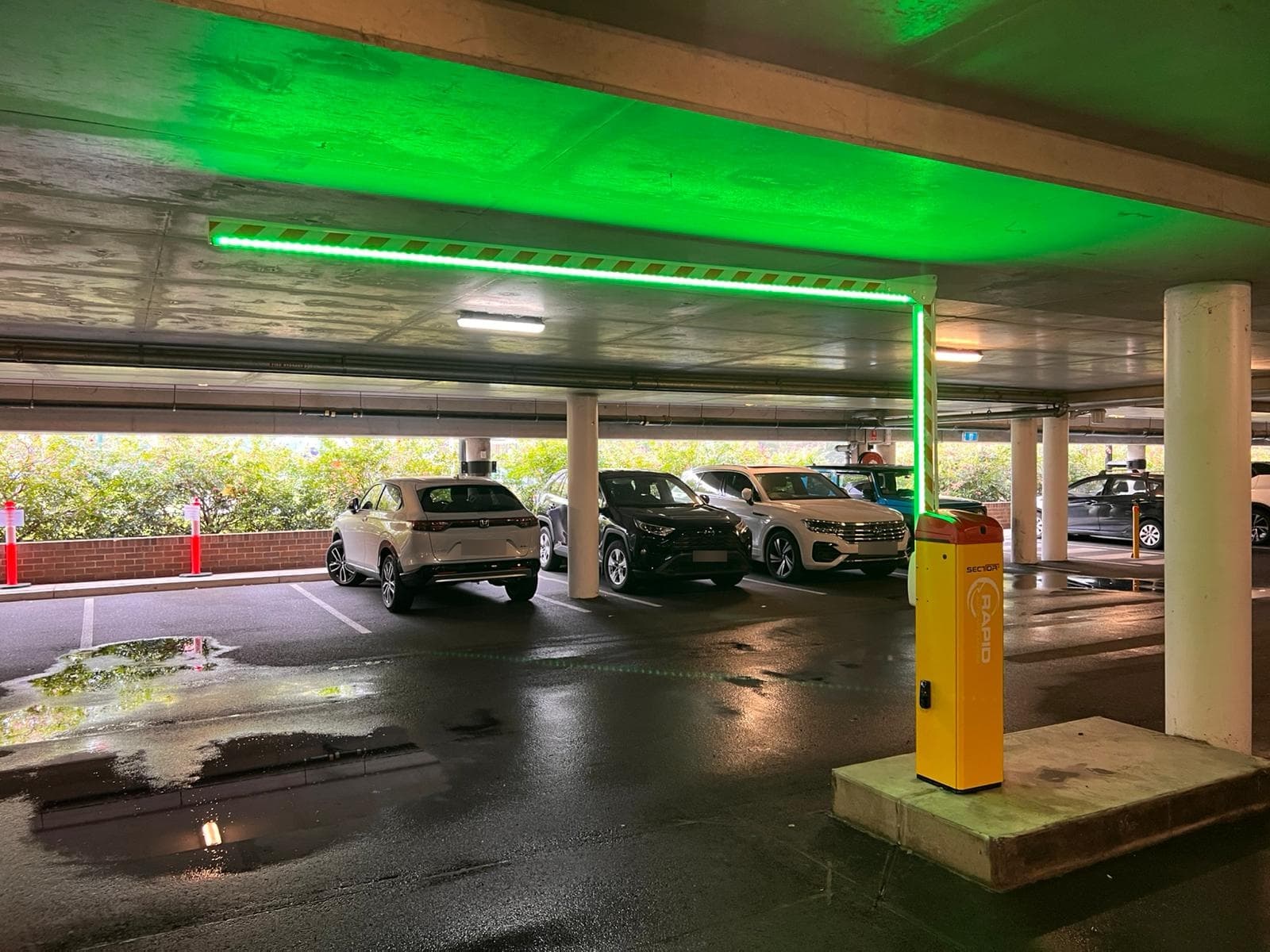
What to Know Before Installing a Boom Gate in Your Strata
A planning checklist for Australian strata boom gates covering owner approval, site design, electrical work, access, safety and ongoing maintenance.
Boom Gates
Use Cases for Portable Boom Gates: Flexible Traffic Control for Every Site
Where portable boom gates can control temporary vehicle access, what features to specify, and when road-authority or traffic-management approval is needed.
Boom Gates
How to Build a Business Case for a Boom Gate
Build a credible boom-gate business case using traffic, staffing, incidents, downtime, integration, maintenance and measured payback assumptions.