How to Build a Business Case for a Boom Gate

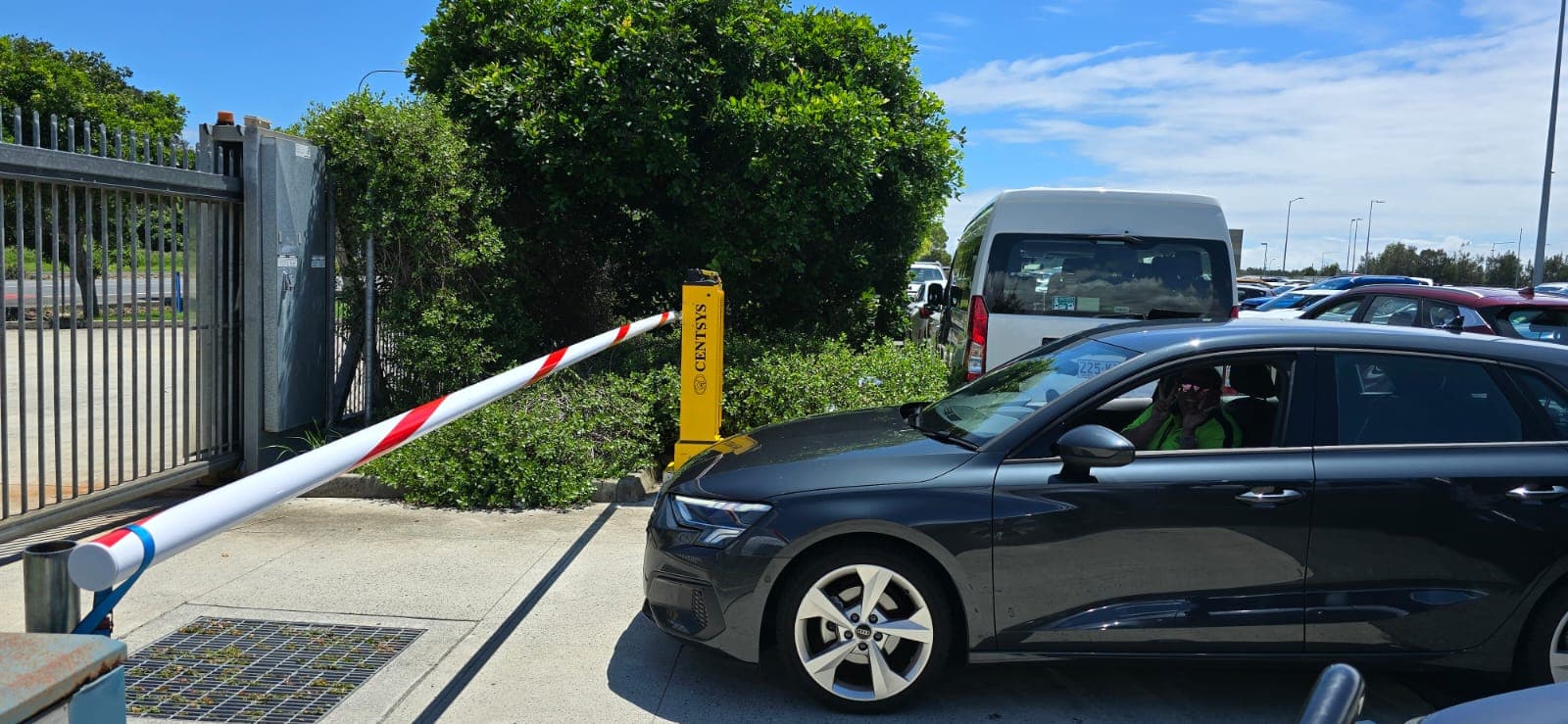
A boom gate can improve the consistency of vehicle access, reduce some manual gatekeeping tasks and support useful access records. It does not automatically eliminate unauthorised entry, accidents, staffing or insurance costs. A credible proposal starts with a measurable access problem and compares the complete boom-gate solution with the current process and realistic alternatives.
1. Define the Access Problem
State what is happening now: vehicles enter without verification, a staff member repeatedly leaves other work to open a gate, queues form at shift change, lost credentials remain active, visitors cannot obtain help, or access records are incomplete. Establish a baseline over a representative period. Useful measures include movements by hour, queue time, manual interventions, denied or exceptional entries, gatekeeping labour, incidents and downtime.
2. Translate Benefits into Testable Outcomes
Replace broad claims such as “better security” with a target and measurement method. Examples include reducing routine manual releases, shortening average entry time, cancelling lost credentials within a defined period, recording a higher share of vehicle movements or reducing access-related callouts. The wider access-control system determines how users are identified, how exceptions are handled and what records are available; the barrier arm alone does not deliver those outcomes.
3. Include the Complete Cost
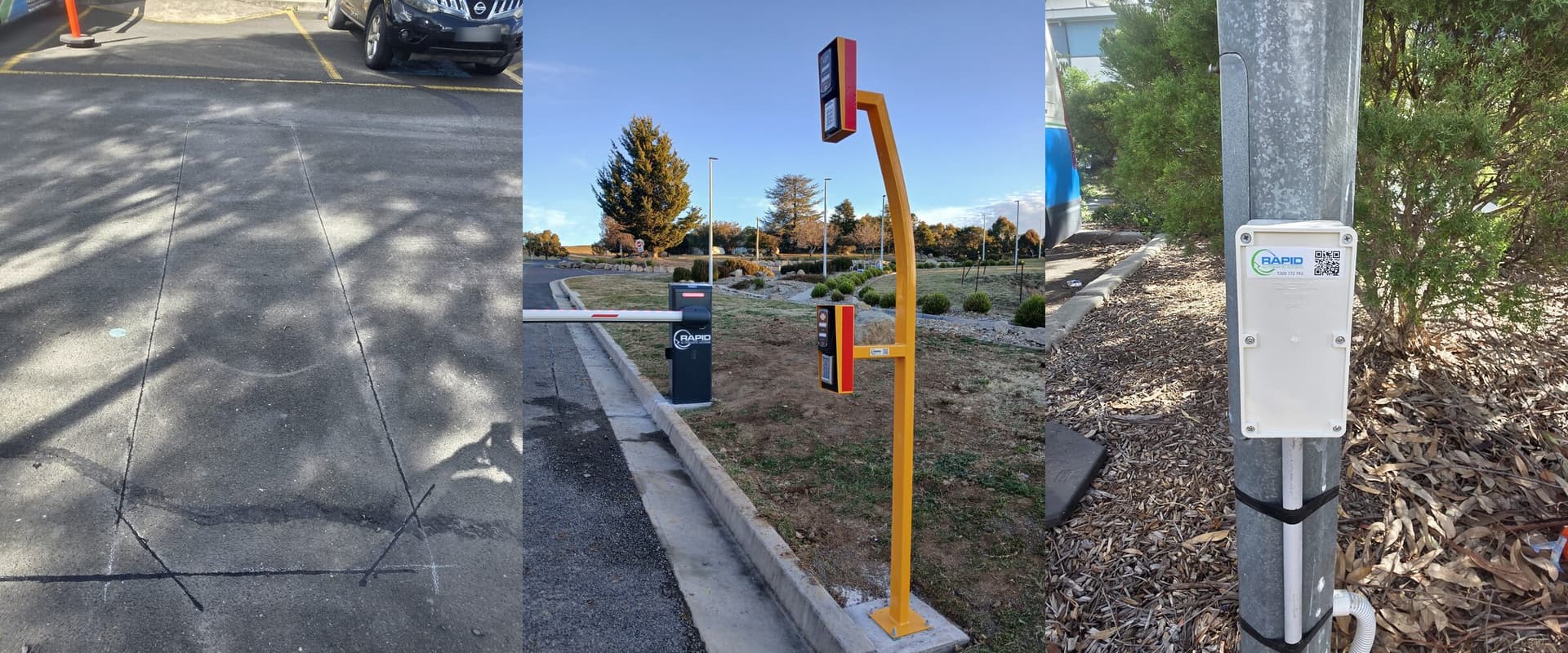
The purchase price is only one input. Include site survey and design, civil works, islands or foundations, drainage, power and communications, barrier equipment, boom arm and supports, vehicle and safety detection, credentials, intercoms, signage, traffic management, system integration, commissioning, training and documentation. Add recurring software or connectivity fees, preventive service, consumables, replacement parts and an allowance for fault response. Use a site-specific boom-gate price and scope rather than a hardware-only estimate.
4. Model the Operating Change
Specify who enrols and removes users, answers intercom calls, reviews events, approves exceptions, responds to a stuck lane and authorises manual operation. Do not count all current gatekeeping labour as a saving unless that work genuinely disappears; it may shift to credential administration, visitor support and monitoring. Include training and after-hours escalation in the operating model.
5. Record Limitations and Residual Risks
A standard boom arm is visible traffic control, not a crash-rated security barrier. It may be bypassed by pedestrians, cyclists or a following vehicle, and it cannot judge whether a valid credential is being misused. Document those limits alongside the surrounding perimeter, surveillance, lighting, staffing and incident-response controls. NSW Police CPTED guidance treats access control as one part of a layered approach that also includes surveillance, territorial reinforcement and space management.
6. Treat Safety and Traffic Flow as Constraints
The lane design should consider approach speed, stopping position, visibility, boom-arm movement, vehicle overhang, pedestrians, cyclists, queues and the consequences of a false opening or closing. The Safe Work Australia model code for managing the work environment and facilities provides broader guidance on workplace traffic and safe movement. A site-specific risk assessment should determine the detection, guarding, signage, separation and operating procedures required.
7. Put Downtime into the Financial Model
Estimate the effect of a lane being unavailable for an hour, a shift or a day. Then define required spare parts, remote diagnostics, manual procedures and response time. Preventive service and maintenance is an operating cost, but it can also reduce unplanned interruption and identify wear before failure. The service level should reflect the actual cost and safety impact of downtime.
8. Show Payback as a Range, Not a Promise
Calculate a base, conservative and adverse case. List each assumption: movements, labour genuinely avoided, incident costs with documented history, expected service life, maintenance, software, downtime and discount rate if used. Do not count speculative insurance discounts, increased property value or perfect incident prevention as guaranteed savings. Ask the finance, safety, facilities and security owners to review the assumptions they control.
Measure the Result after Commissioning
Compare post-installation entry time, manual interventions, credential exceptions, incidents, downtime and support calls with the baseline. Review the data after the initial adjustment period and again after a representative operating cycle. If an intended benefit is not appearing, investigate the process, configuration or user adoption instead of assuming the hardware has delivered it.
Preparing a business case?
Price the complete lane and operating model
Rapid Automatic Access can document the site requirements, recommend a barrier and access-control design, and scope installation, commissioning and maintenance for a comparable proposal.
Related articles
Boom Gates
Where Boom Gates Work: Requirements by Site Type
Compare boom-gate requirements for strata, parking, logistics, hospitals, construction and secure facilities by traffic, credentials, safety and uptime.
Boom Gates
What to Know Before Installing a Boom Gate in Your Strata
A planning checklist for Australian strata boom gates covering owner approval, site design, electrical work, access, safety and ongoing maintenance.
Boom Gates
Use Cases for Portable Boom Gates: Flexible Traffic Control for Every Site
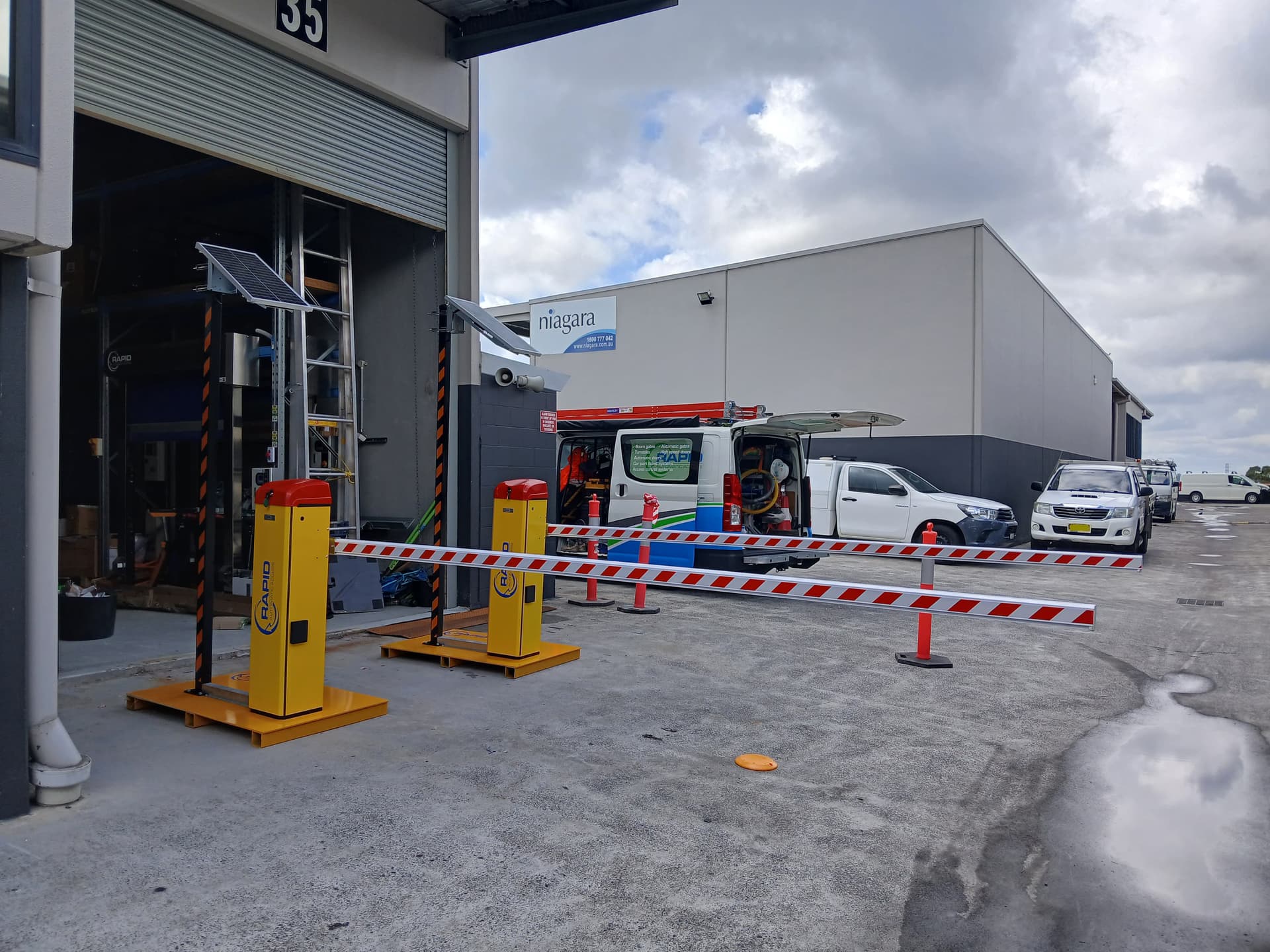
Where portable boom gates can control temporary vehicle access, what features to specify, and when road-authority or traffic-management approval is needed.