Driveway Safety: A Comprehensive Risk-Based Guide for Learner Drivers
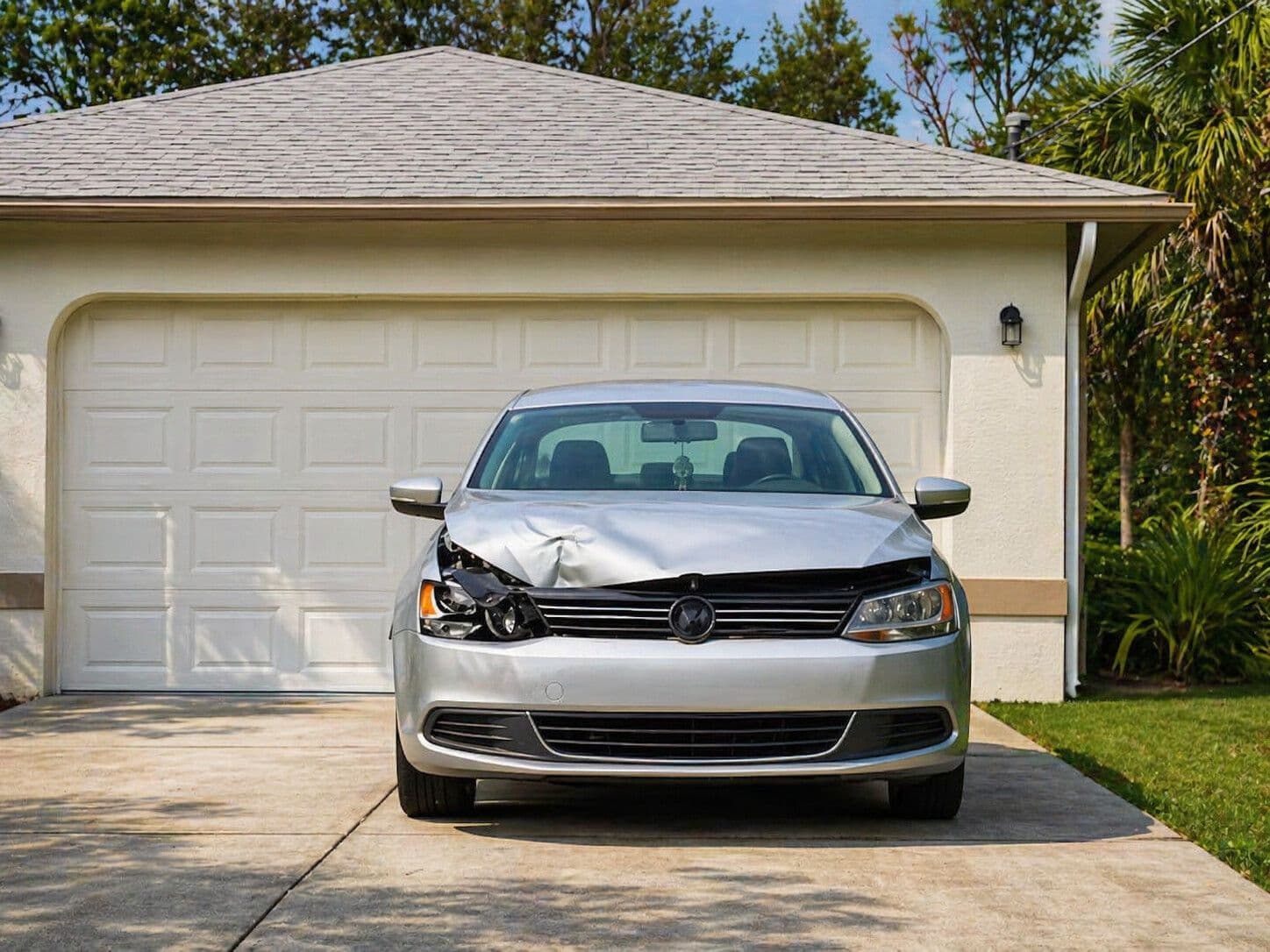
Entering or exiting a driveway is one of the most underestimated yet legally complex and cognitively demanding driving tasks faced by learner drivers in New South Wales. Unlike intersections, driveways are not standardised. Each layout introduces different risks related to visibility, traffic speed, gradient, pedestrian interaction, and driver workload.
This guide provides a NSW-specific classification of driveway layouts, ranked from lowest to highest hazard risk, using principles applied in the Driver Knowledge Test (DKT), Hazard Perception Test (HPT), and Transport for NSW's on-road driving assessment.
How Driveway Risk Is Assessed in NSW
- Sight distance and visibility
- Traffic speed and volume
- Gradient and vehicle control demands
- Number of conflict points (vehicles, pedestrians, cyclists)
- Cognitive workload and time pressure
Learner drivers frequently fail assessments not due to poor steering or braking skill, but because they misjudge hazards that are partially hidden, moving quickly, or competing for attention.
Driveway Layouts Ranked by Hazard Risk (Lowest to Highest)
LOW RISK DRIVEWAYS
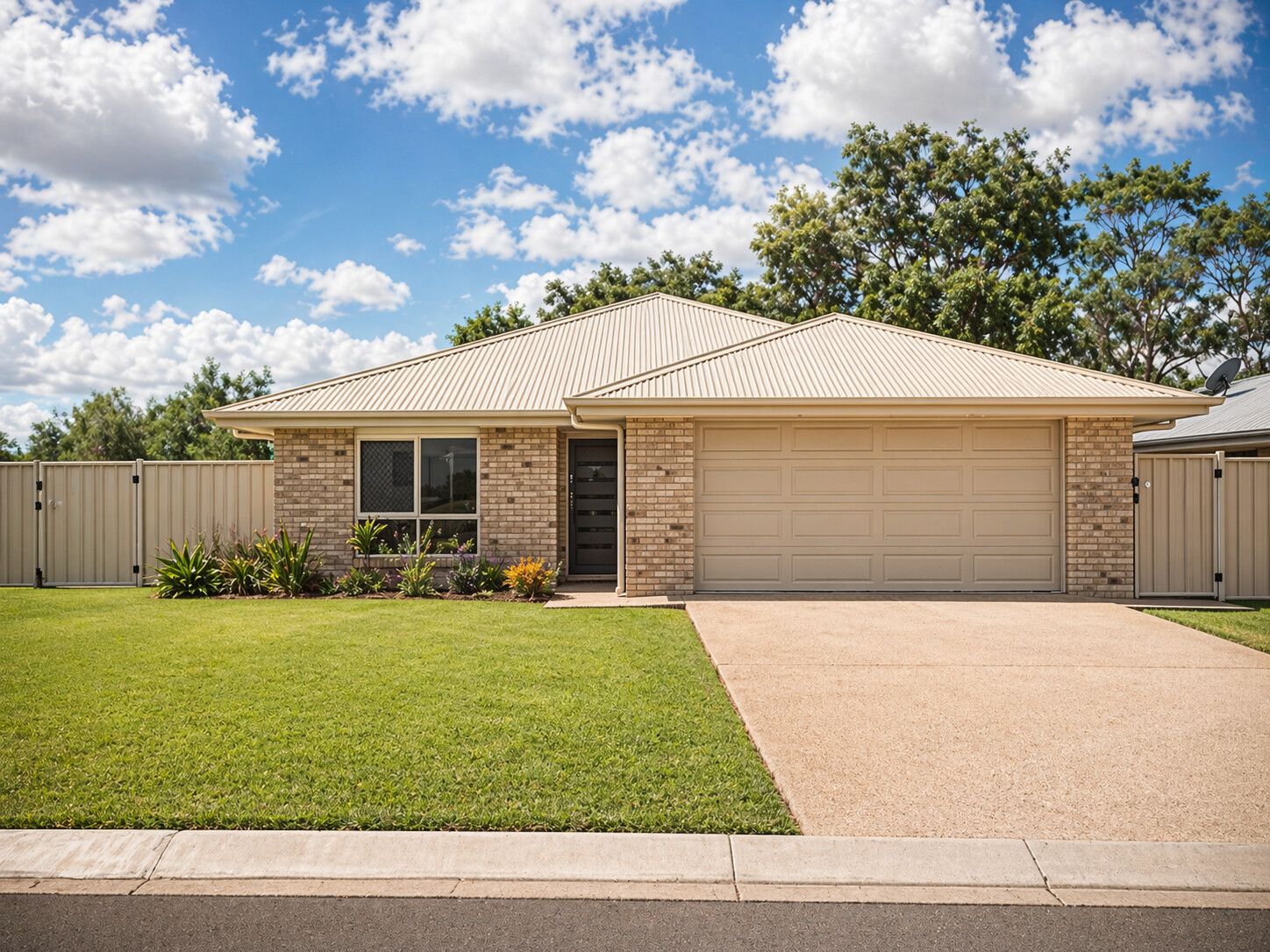
1. Flat driveway on a quiet residential street
- Clear visibility in both directions
- Low traffic speed and volume
- Minimal gradient or vehicle control demand
This is the lowest-risk driveway environment because it provides learners with maximum visual information and minimal time pressure. Traffic volumes are typically low, vehicle speeds are reduced, and sight lines are unobstructed. Learners can stop fully at the driveway boundary, scan calmly, and enter traffic without pressure from approaching vehicles. From an assessment perspective, this environment allows instructors and examiners to clearly observe scanning behaviour, head checks, and smooth control without external stress influencing decisions.
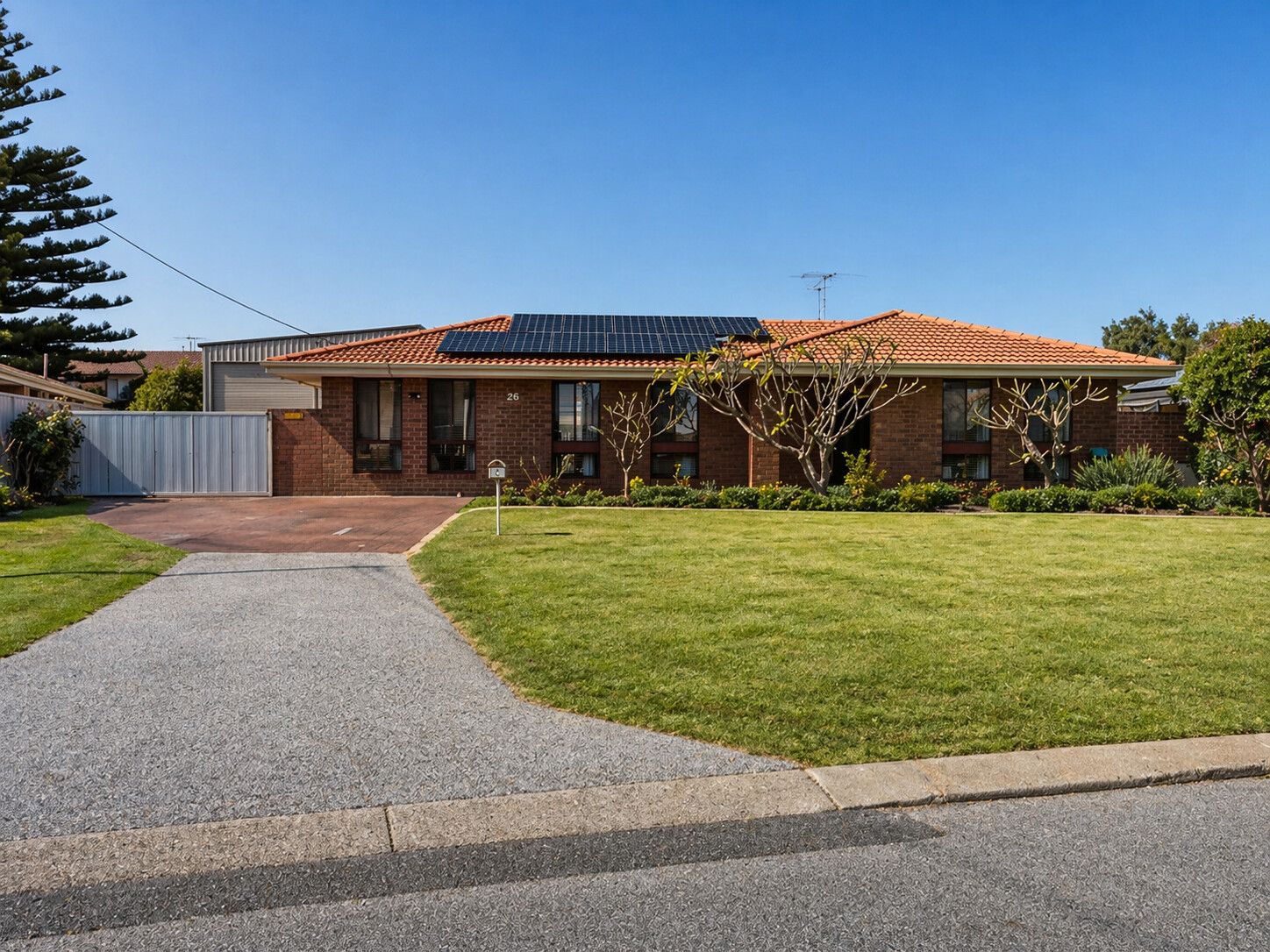
2. Wide driveway with clear setback from the road
- Space to stop completely off the roadway
- Reduced pressure to commit quickly
- Excellent staging visibility
A wide driveway with a generous setback allows learners to pause, reassess, and re-scan before entering traffic. This reduces rushed decisions and helps reinforce correct stopping position at the driveway boundary. Instructors favour this layout for teaching disciplined observation sequences and controlled acceleration because it removes the urgency caused by limited space or encroachment into the road.
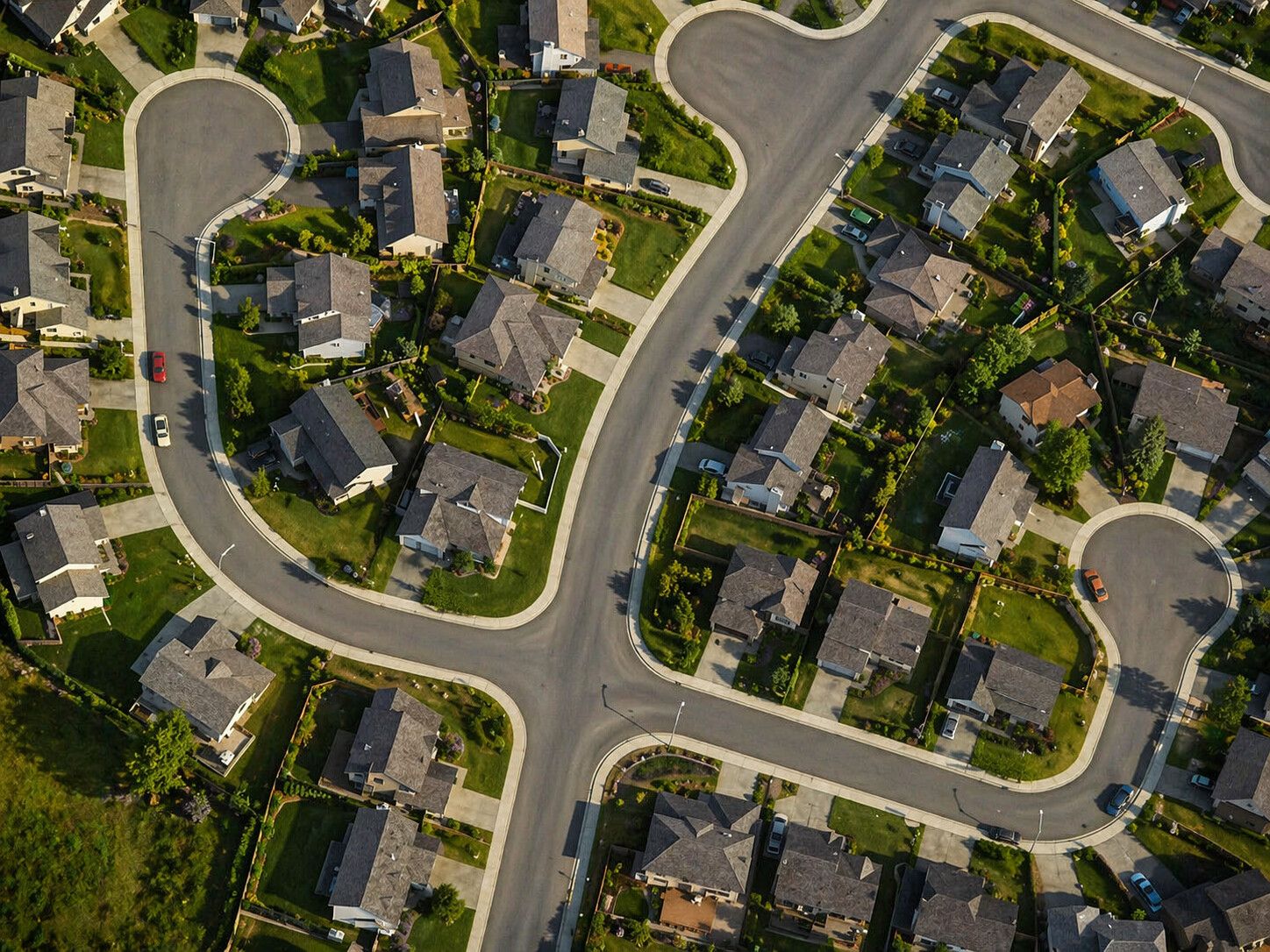
3. Circular or U-shaped driveway (forward exit only)
- No reversing into traffic
- Predictable vehicle path
- Reduced cognitive load
Driveways that allow vehicles to exit forward eliminate one of the most complex tasks for learners: reversing into traffic. Because reversing vehicles must give way to all other road users, removing this requirement dramatically lowers risk. Forward exits allow learners to focus on traffic assessment rather than mirror-heavy vehicle positioning, making these layouts ideal for early-stage drivers.
LOW–MODERATE RISK DRIVEWAYS
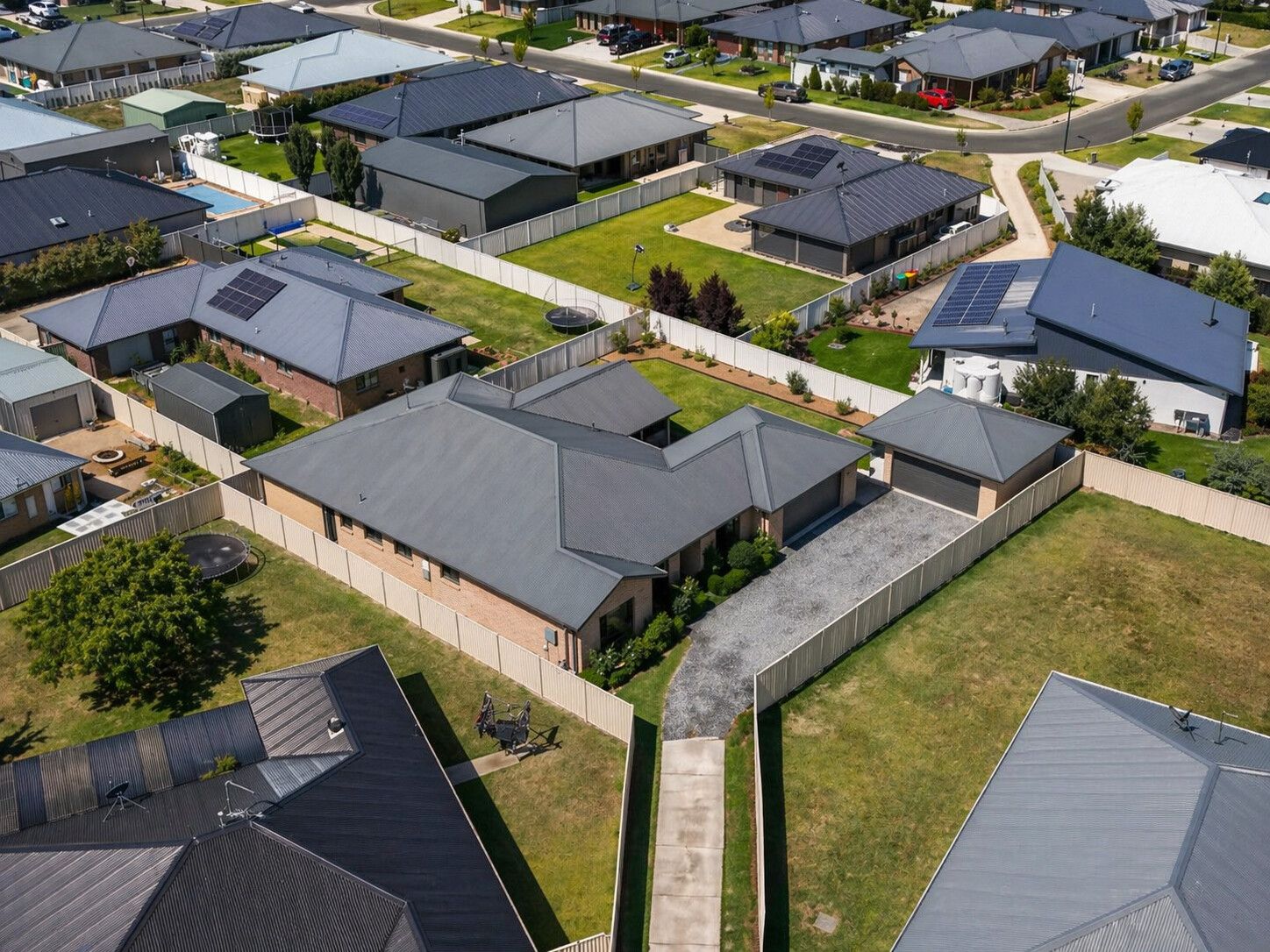
4. Shared residential driveway (duplex or battle-axe access)
- Multiple potential vehicle movements
- Limited manoeuvring space
- Requires anticipation and courtesy
Shared driveways introduce uncertainty because another vehicle may appear unexpectedly from the same accessway. Learners must scan not only the road but also the driveway itself. This layout tests anticipation and cooperative behaviour rather than just gap selection. Instructors often use shared driveways to reinforce low-speed control and awareness of others’ movements.
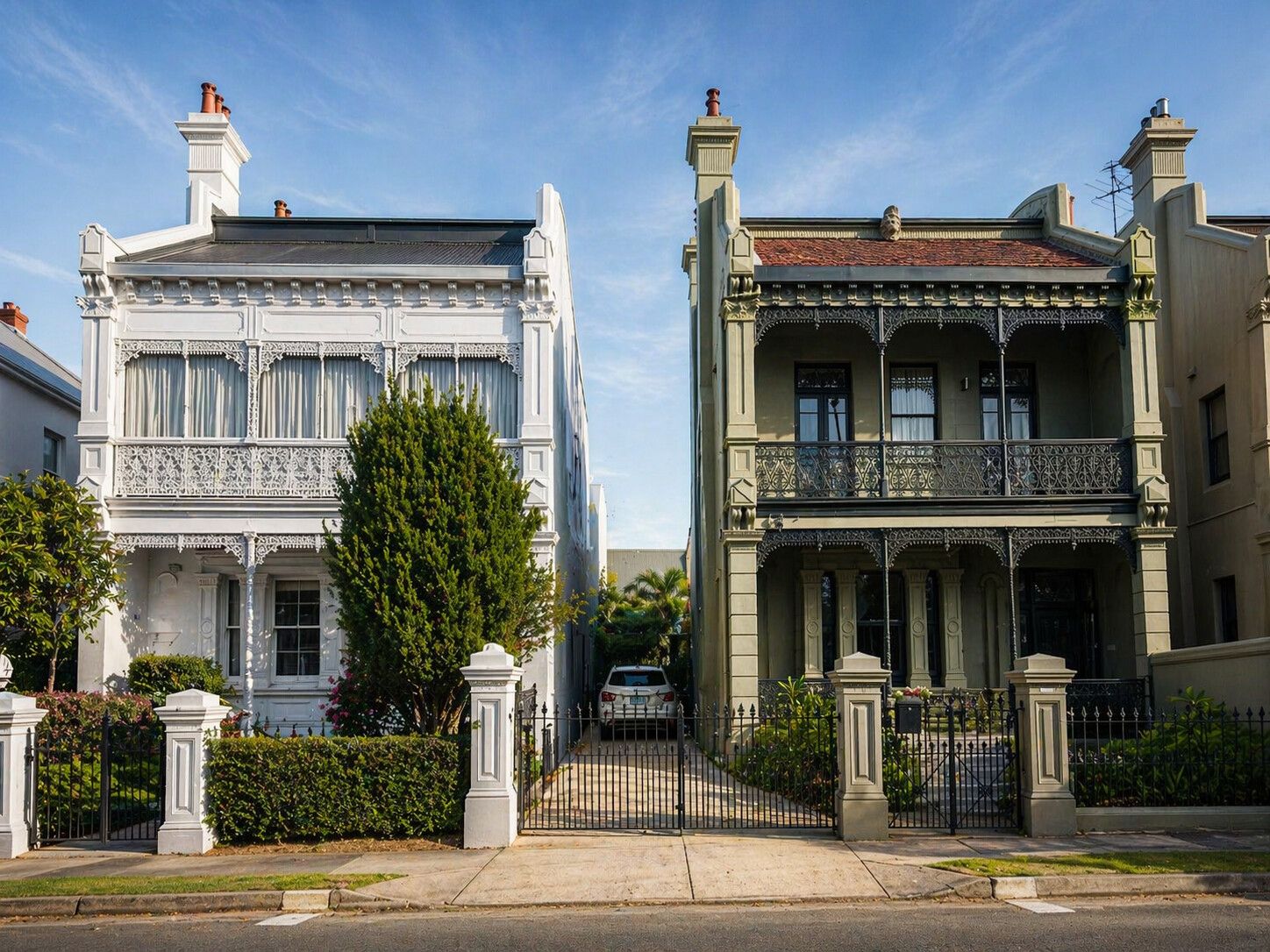
5. Driveway crossing a pedestrian footpath
- Pedestrians always have priority
- Visual obstructions common
- High test-failure risk
Any driveway that crosses a footpath significantly increases risk because vehicles must give way to pedestrians at all times. Learners frequently fail to check adequately for pedestrians approaching from behind fences, hedges, or parked vehicles. NSW assessments treat pedestrian observation failures seriously, making this layout a common source of critical errors.
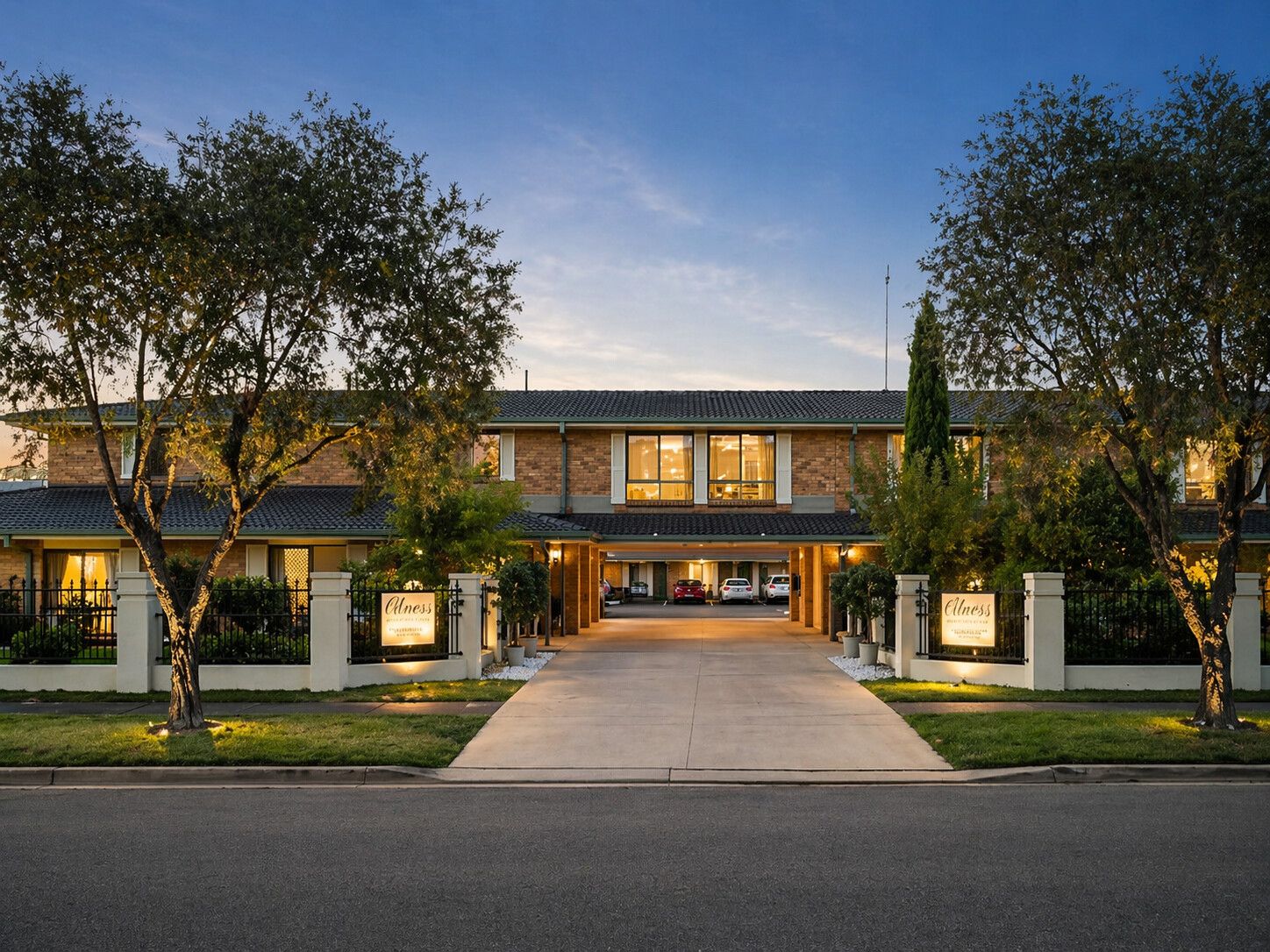
6. Narrow driveway with fixed boundaries (walls, fences, gates)
- Reduced steering tolerance
- Heavy reliance on mirrors
- Increased driver stress
Narrow driveways amplify stress for inexperienced drivers. Fixed boundaries reduce margin for error and can cause learners to fixate on obstacles rather than traffic. When gates or intercoms are present, learners may feel pressured to move prematurely. Assessors look for calm speed control, correct positioning, and continued observation despite spatial constraints.
MODERATE RISK DRIVEWAYS
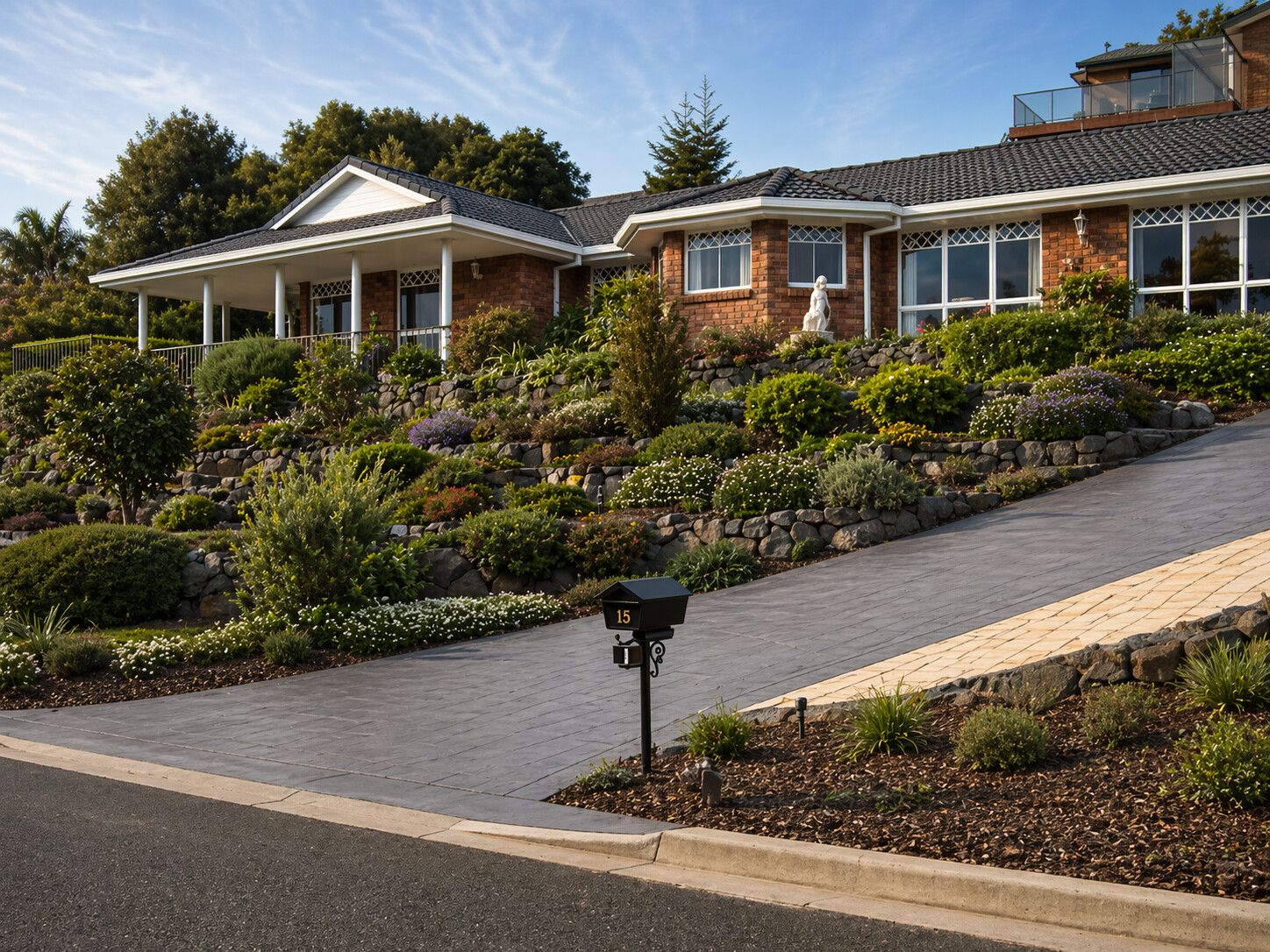
7. Downhill driveway exiting to the street
- Increased roll-forward risk
- Reduced braking tolerance
- Shorter reaction time
Downhill exits make stopping precisely at the driveway boundary more difficult due to gravity. Learners may roll forward unintentionally or feel compelled to commit early. Reduced reaction time increases risk if traffic conditions change suddenly. Controlled braking and disciplined stopping are critical in this environment.
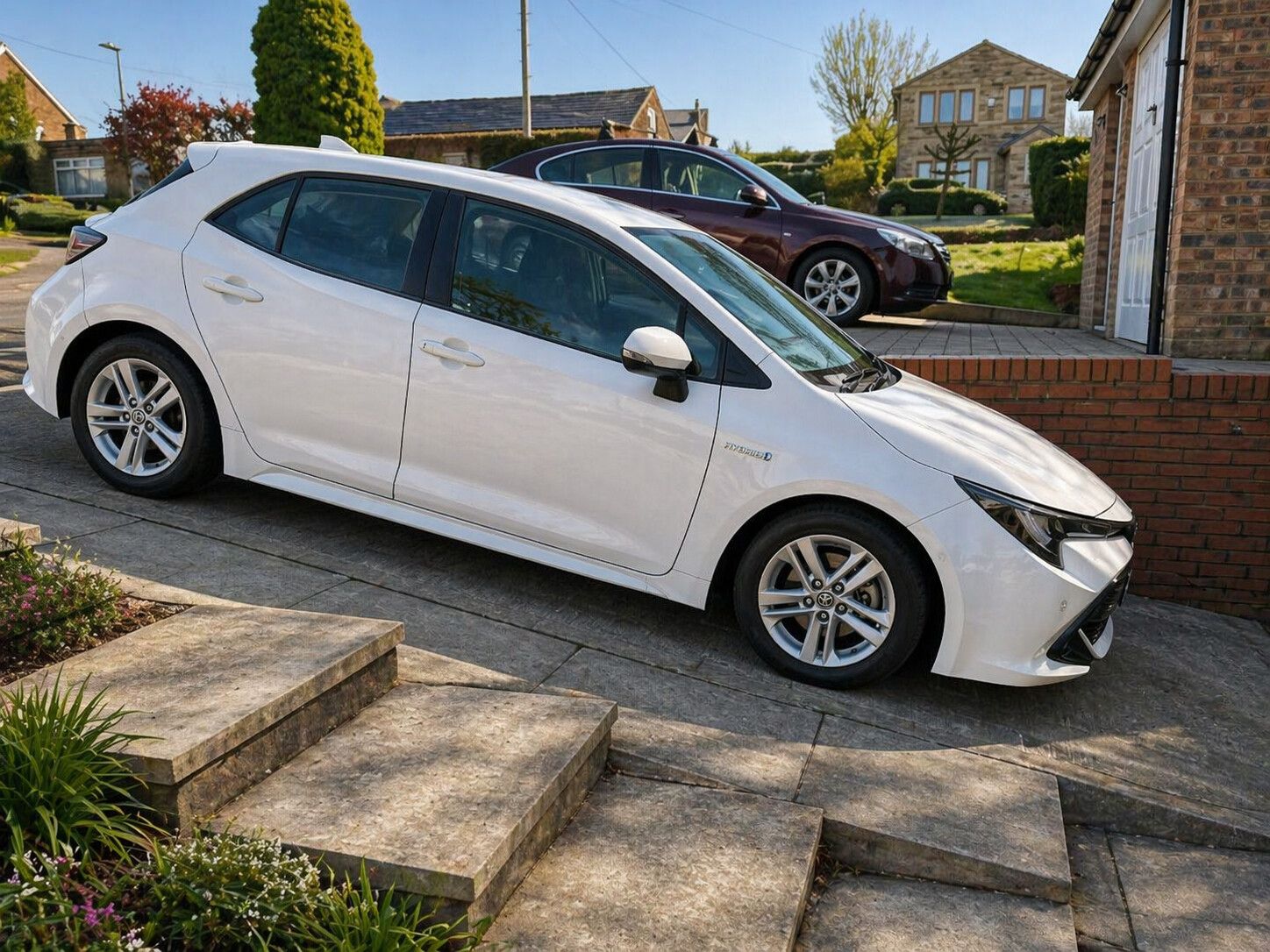
8. Uphill driveway exiting to the street
- Roll-back risk (manual vehicles)
- Slower acceleration into traffic
- High coordination demand
Uphill exits require simultaneous clutch, throttle, and brake management while still assessing traffic gaps. Learners often hesitate or stall, increasing exposure time in the conflict zone. Assessors focus on whether the learner commits decisively once a safe gap is chosen and maintains smooth control under pressure.
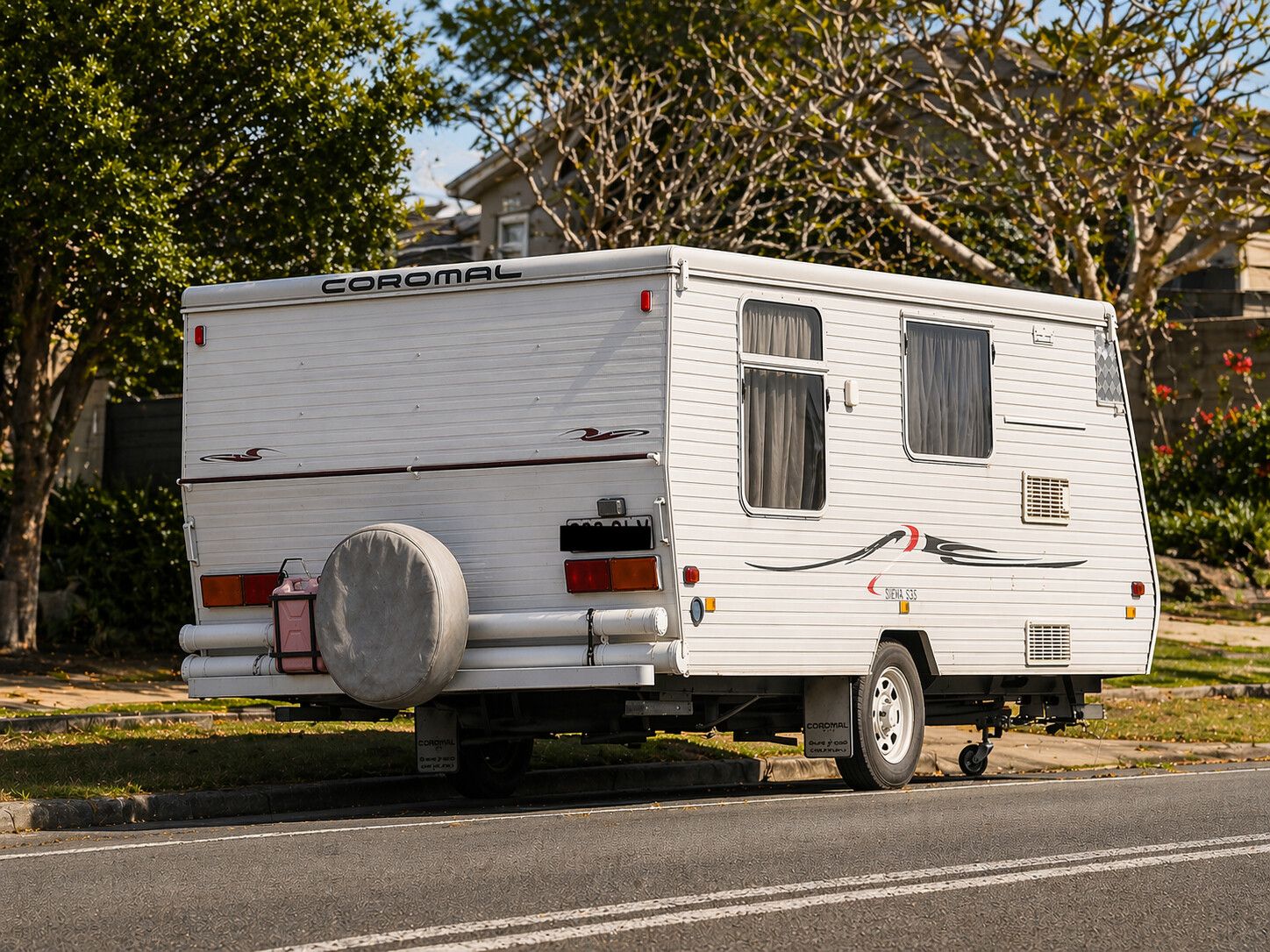
9. Driveway with partial sight obstruction
- Delayed hazard detection
- Controlled creeping required
- Reliance on sound as well as sight
Obstructed driveways require learners to creep forward carefully to gain visibility. Moving too far too quickly creates danger, while failing to advance enough limits information. NSW assessments penalise both extremes. This scenario tests patience, braking finesse, and judgement rather than decisiveness alone.
MODERATE–HIGH RISK DRIVEWAYS
10. Driveway located on a curved road
- Late detection of approaching vehicles
- Speed and distance misjudgement
- Limited escape options
Curved roads distort perception and reduce early hazard detection. Vehicles may appear suddenly at close range, leaving little margin for error. Learners must assume unseen hazards and select larger gaps than they think necessary. This layout strongly aligns with Hazard Perception Test principles.
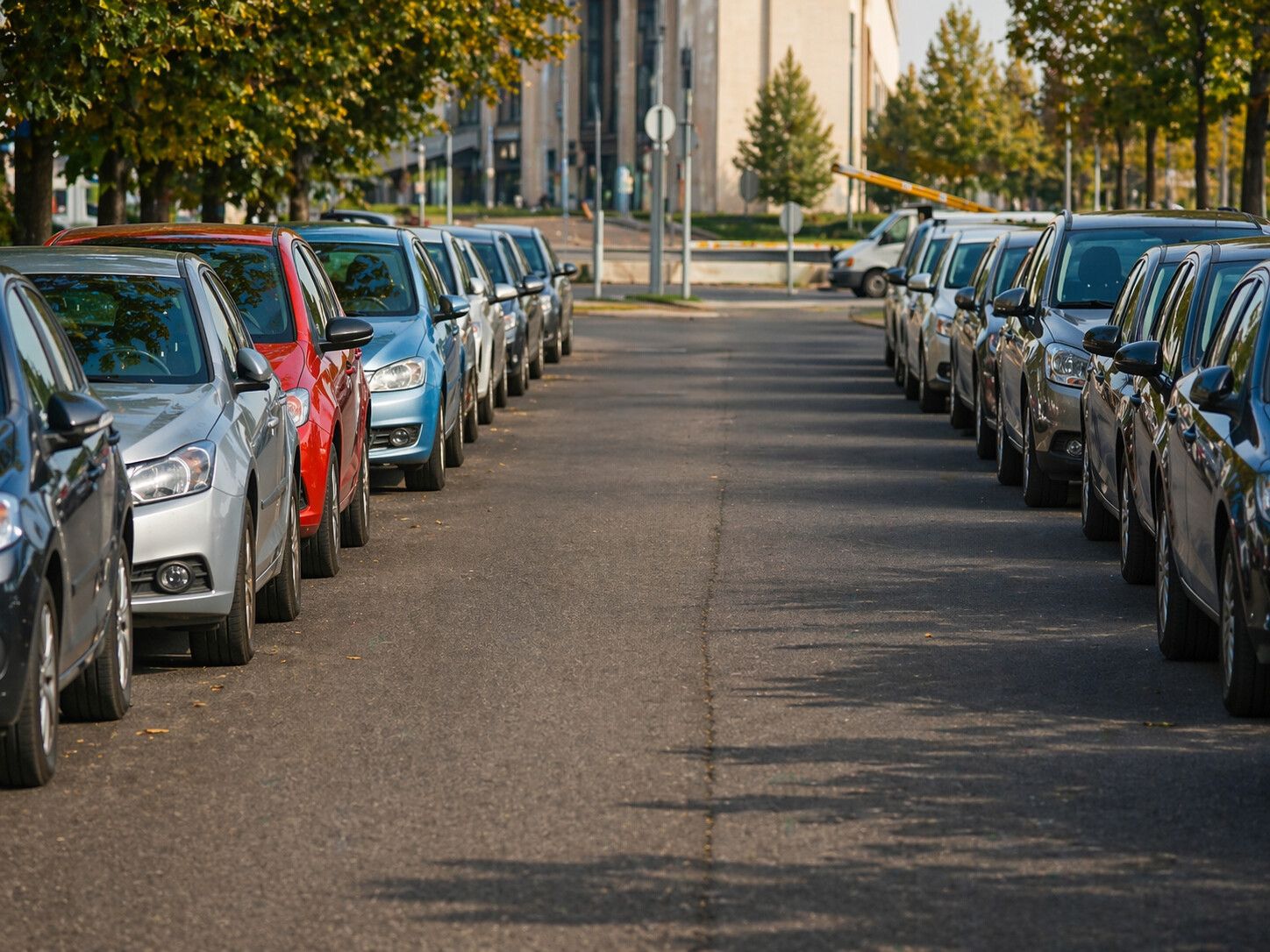
11. Driveway adjacent to on-street parking
- Visual masking by parked vehicles
- Pedestrian door-opening risk
- Increased scanning demand
Parked vehicles block sight lines and hide moving traffic, cyclists, and pedestrians. Learners must scan beyond the parked vehicles while also watching for doors opening unexpectedly. This environment significantly increases cognitive load and is a frequent source of observation-related test failures.
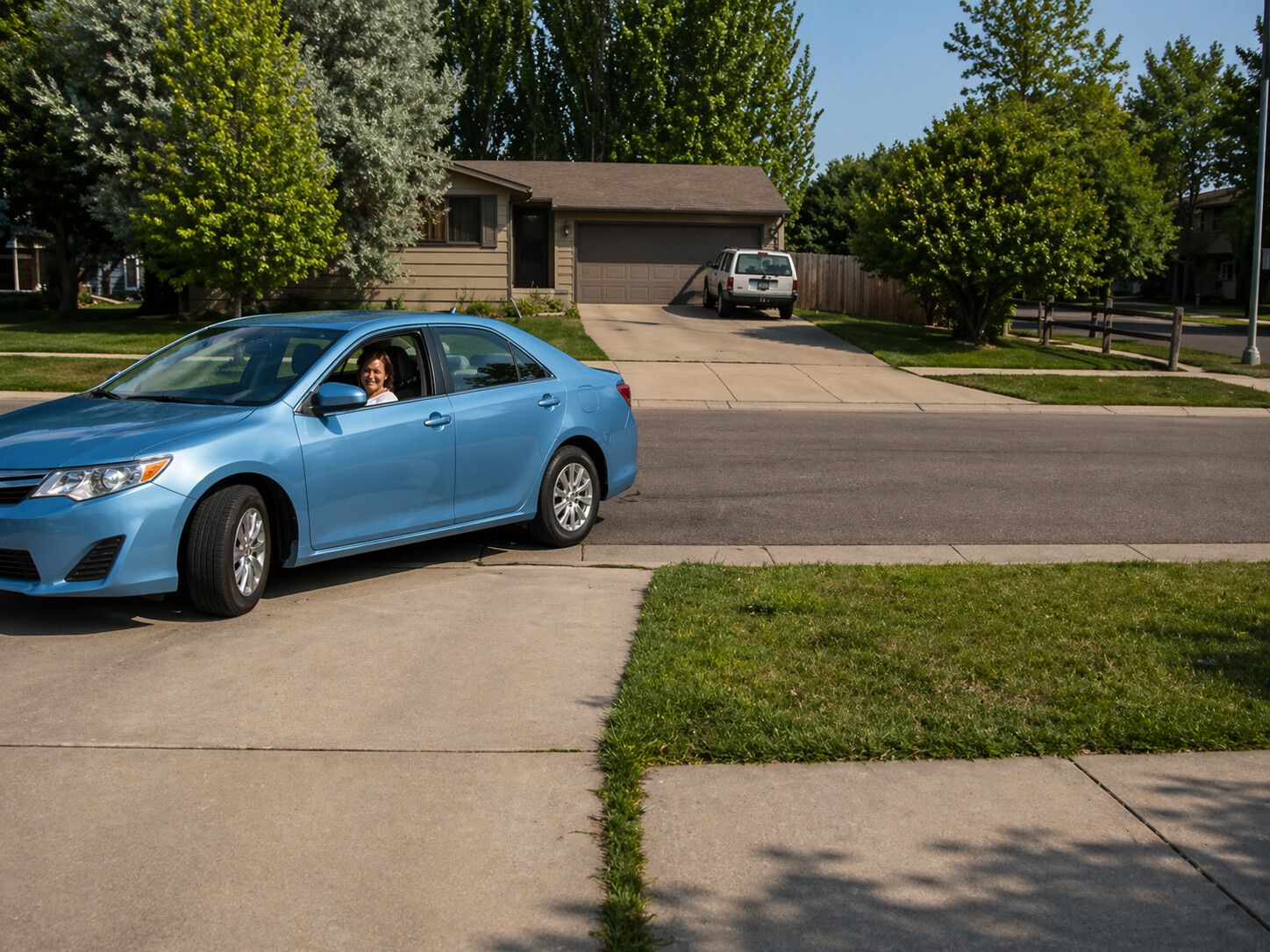
12. Reversing out of a driveway
- Must give way to all road users
- Severely restricted vision
- High examiner scrutiny
Reversing out of a driveway is inherently hazardous because the driver’s field of view is limited and legal obligations are absolute. Learners often focus on steering accuracy while neglecting full scanning. NSW assessors treat poor observation while reversing as a serious safety issue.
HIGH RISK DRIVEWAYS
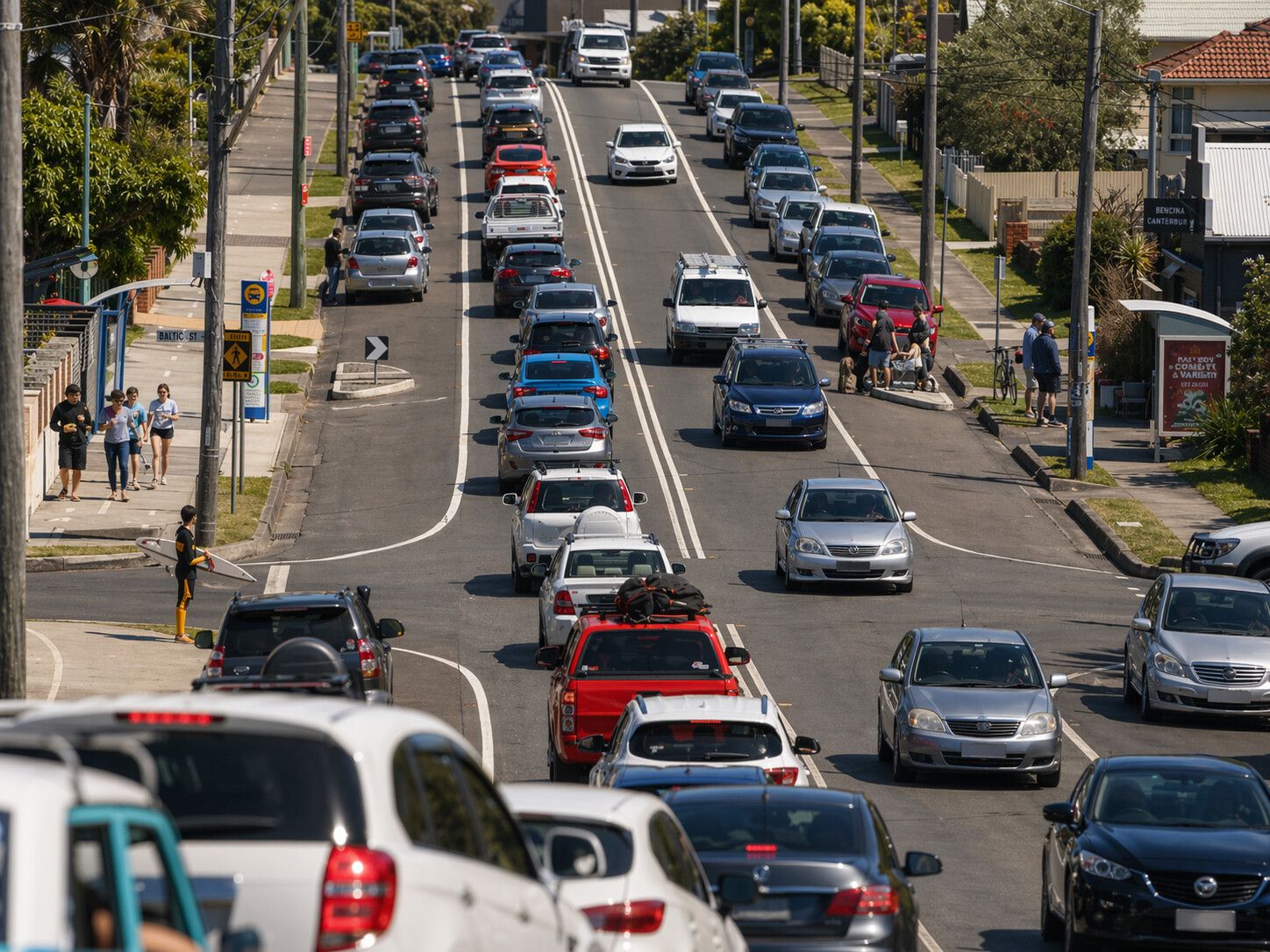
13. Driveway onto a road with continuous traffic flow
- Smaller safe gaps
- Increased pressure from following vehicles
- High decision stress
Continuous traffic reduces gap availability and increases pressure on learners to accept unsafe opportunities. This environment tests patience and confidence. Assessors observe whether learners can wait appropriately without being influenced by impatient drivers behind them.
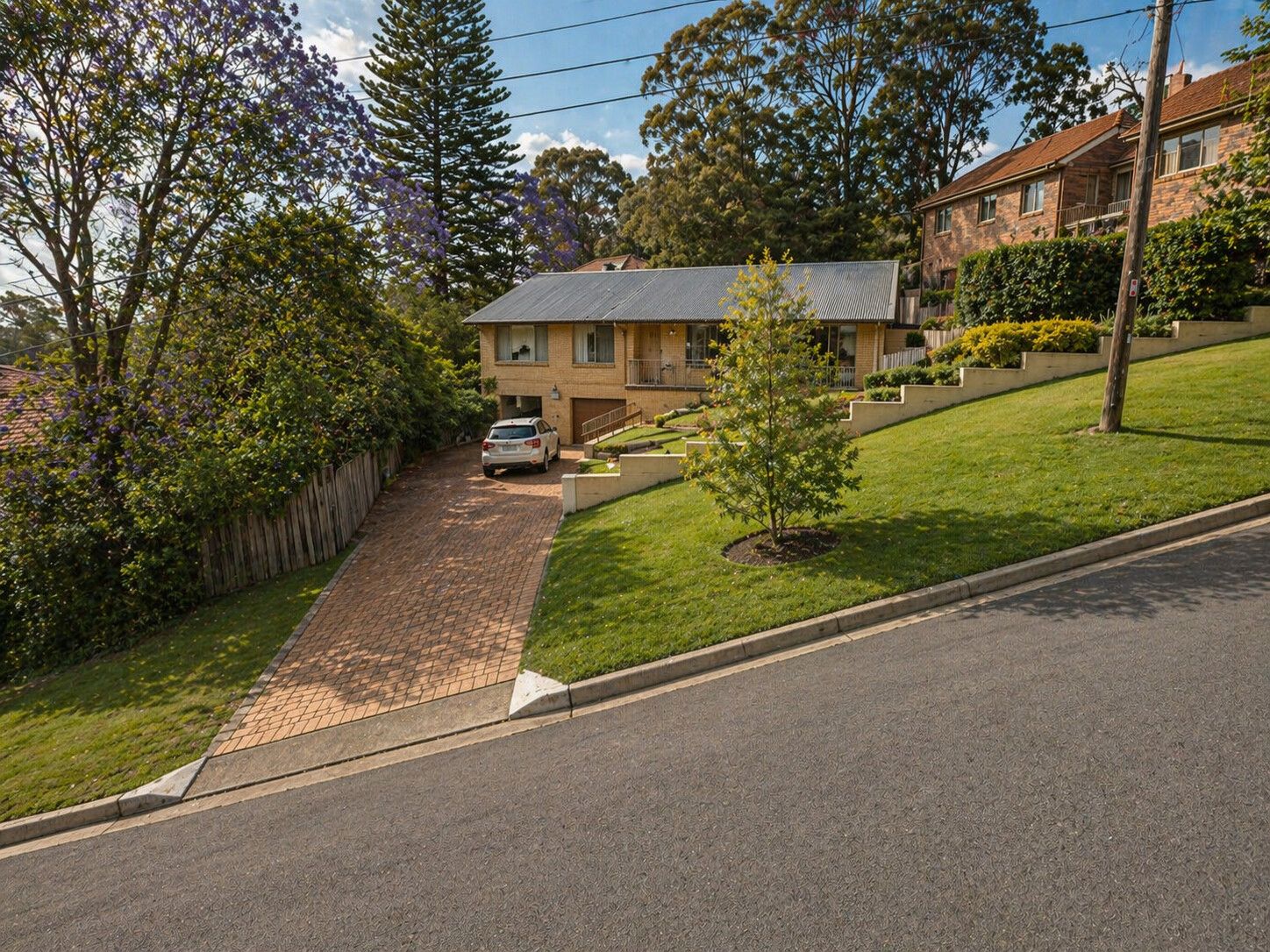
14. Driveway at the bottom of a hill
- Approaching vehicles accelerating
- Reduced stopping distances
- Severe timing penalties
Vehicles approaching downhill close gaps quickly and have reduced stopping capacity. Learners exiting from the bottom of a hill often underestimate closing speeds. Errors here allow little room for correction, making conservative gap selection essential.
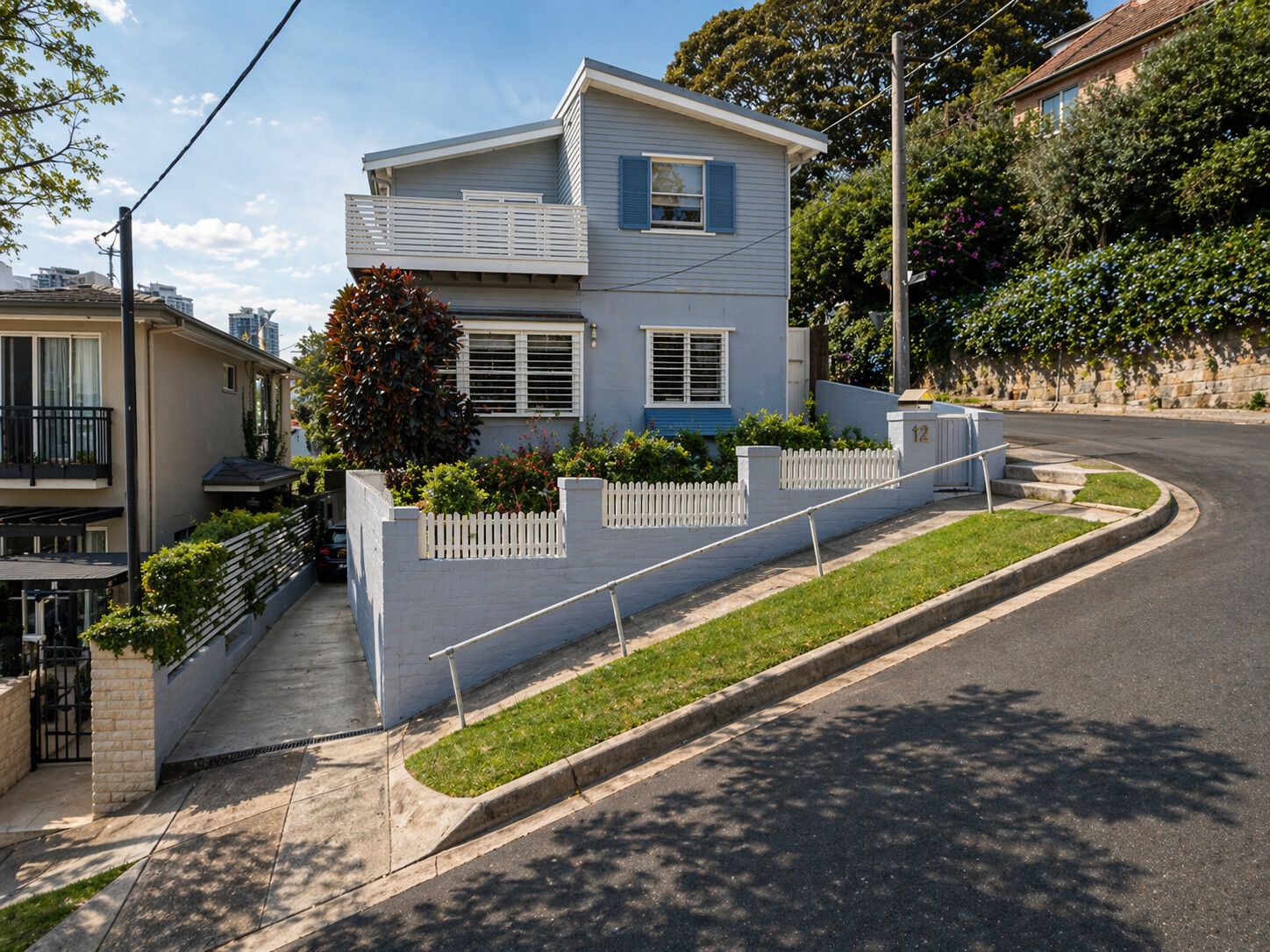
15. Driveway at the crest (top) of a hill
- Near-zero early visibility
- Vehicles appear suddenly
- Recognised high-risk HPT scenario
Crest-of-hill driveways are among the most dangerous because visibility is severely limited until vehicles are already close. Learners must assume unseen hazards and wait longer than feels intuitive. This scenario closely mirrors high-risk hazard perception testing situations.
VERY HIGH / EXTREME RISK DRIVEWAYS
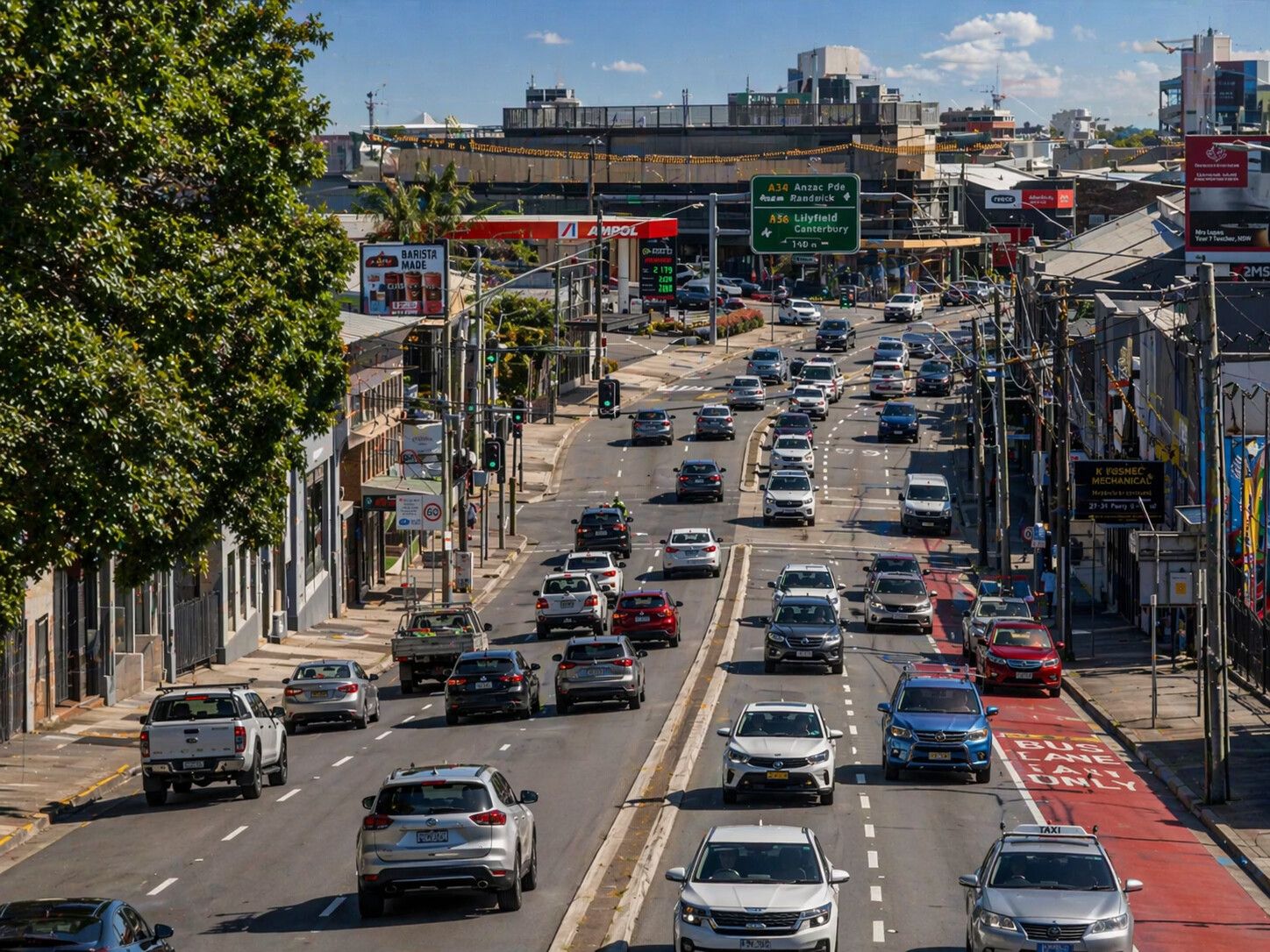
16. Driveway onto a multi-lane road
- Multiple conflict streams
- Lane-selection complexity
- High cognitive workload
Multi-lane roads require learners to assess traffic across several lanes while also planning immediate lane positioning after entry. Errors escalate rapidly due to speed differentials and limited escape options.
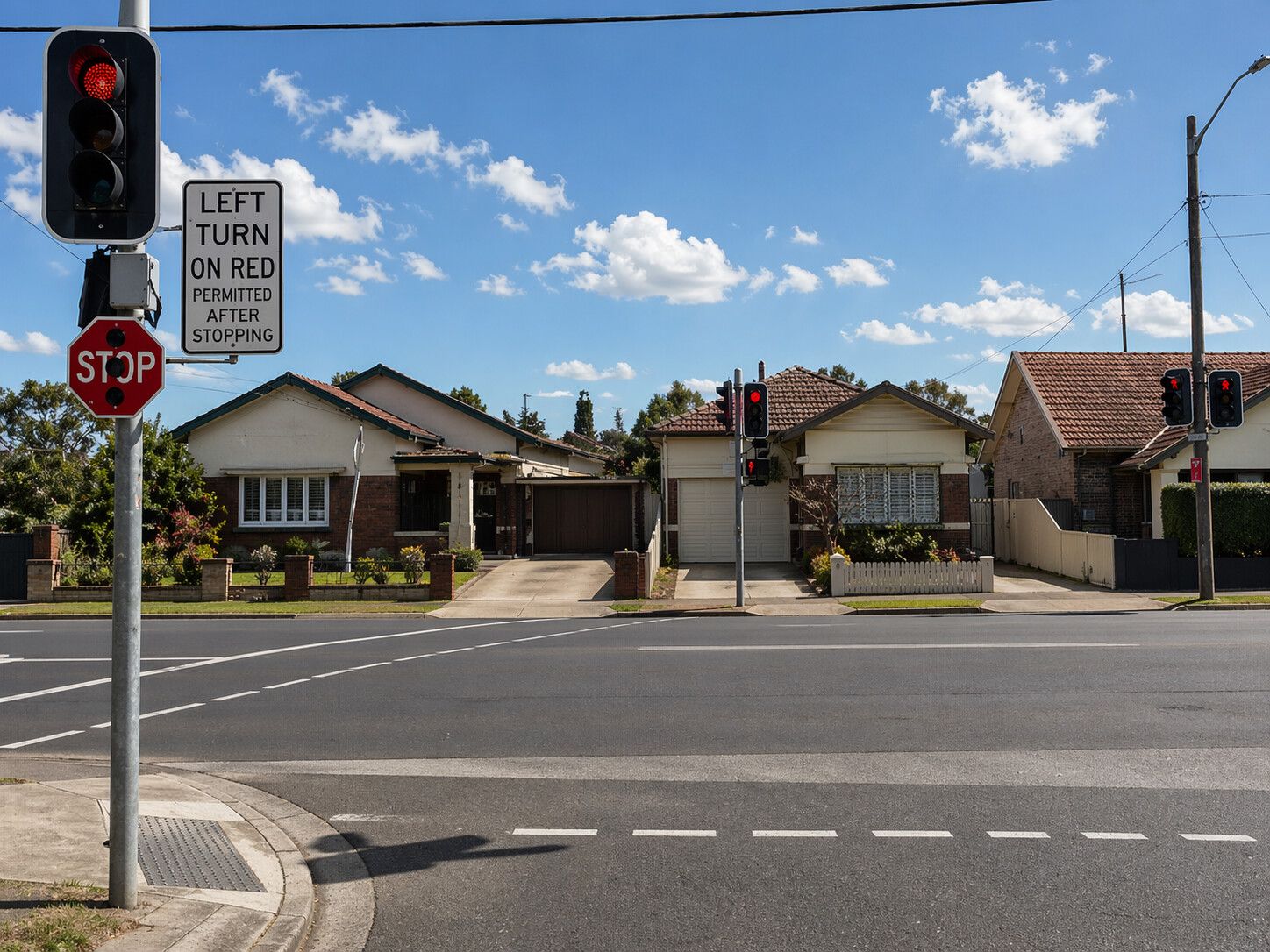
17. Driveway near signalised intersections
- Signal phase misinterpretation risk
- Queue spillback
- Turning conflicts
Signalised environments can create false confidence. Learners may misread signal timing, queue behaviour, or turning priorities. Vehicles can become trapped mid-manoeuvre if queues move unexpectedly.
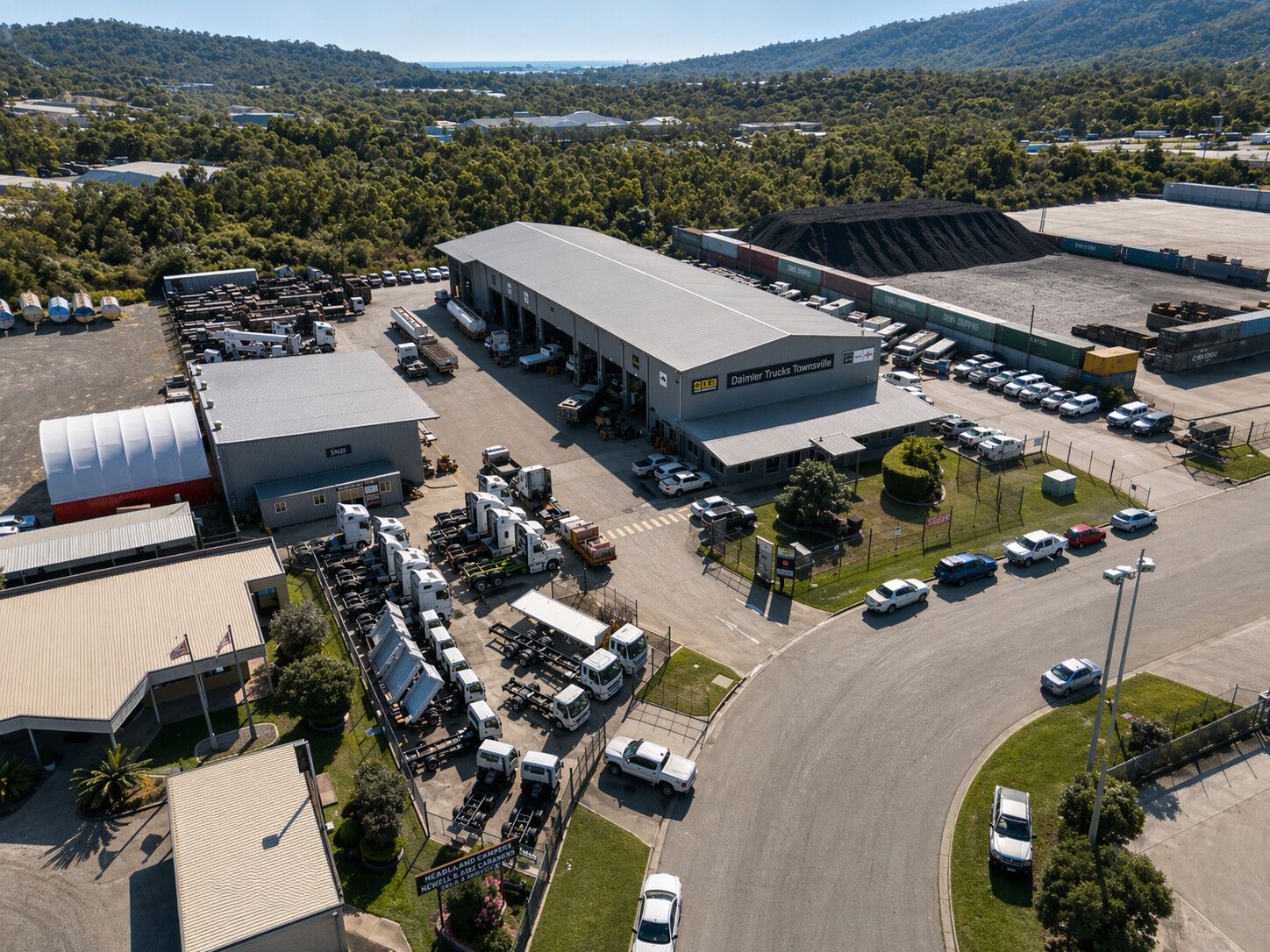
18. Commercial or industrial driveways
- Mixed vehicle types
- Unpredictable movement
- Reduced pedestrian compliance
Commercial driveways introduce trucks, delivery vehicles, and machinery with very different acceleration and stopping characteristics. Sight lines are often compromised, and pedestrian behaviour is inconsistent. These environments are unsuitable for early learner exposure.
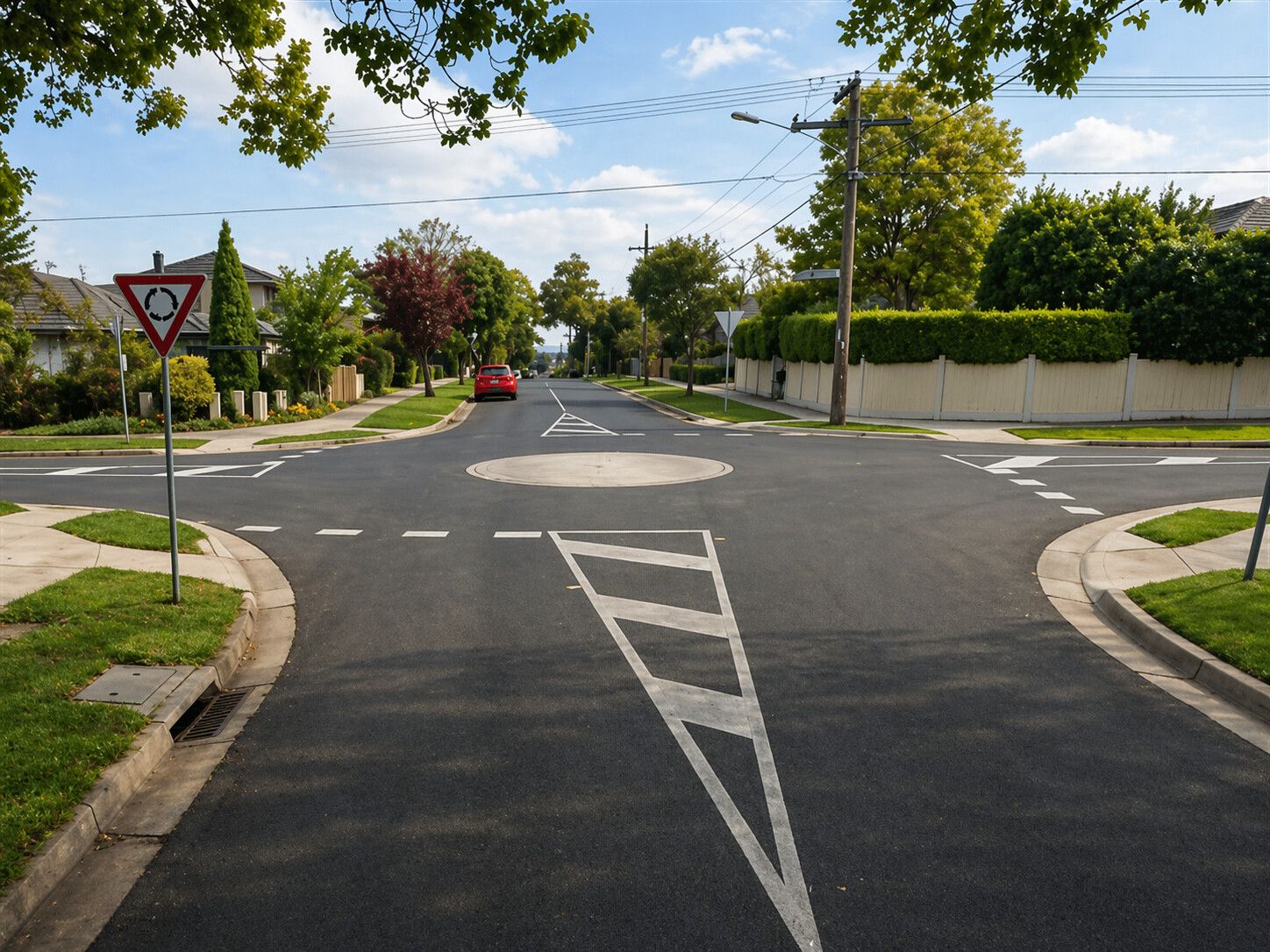
19. Driveway near roundabout entries or exits
- Rapid speed changes
- Complex gap judgement
- High collision potential
Vehicles accelerate on roundabout exits and decelerate on entry, making speed prediction difficult. Learners often misinterpret driver intent, leading to unsafe decisions.
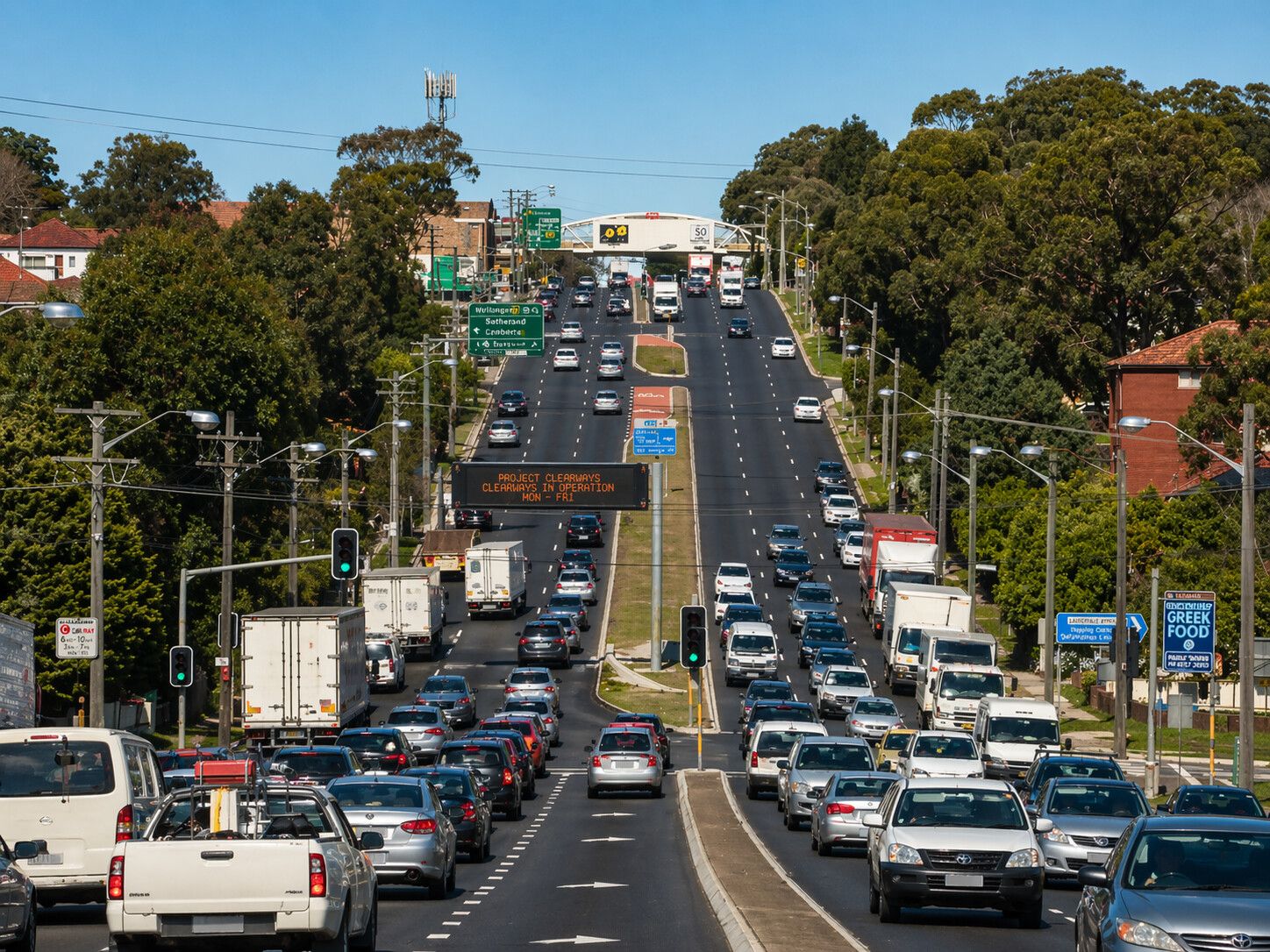
20. Driveway accessing a high-speed arterial road
- Extreme speed differentials
- Minimal tolerance for hesitation
- Severe consequences for error
This is the highest-risk driveway environment. Gaps are short, speeds are high, and hesitation can be catastrophic. Many instructors avoid using these locations with learners unless absolutely necessary.