10 Electric Gate Mistakes That Lead to Faults or Risk

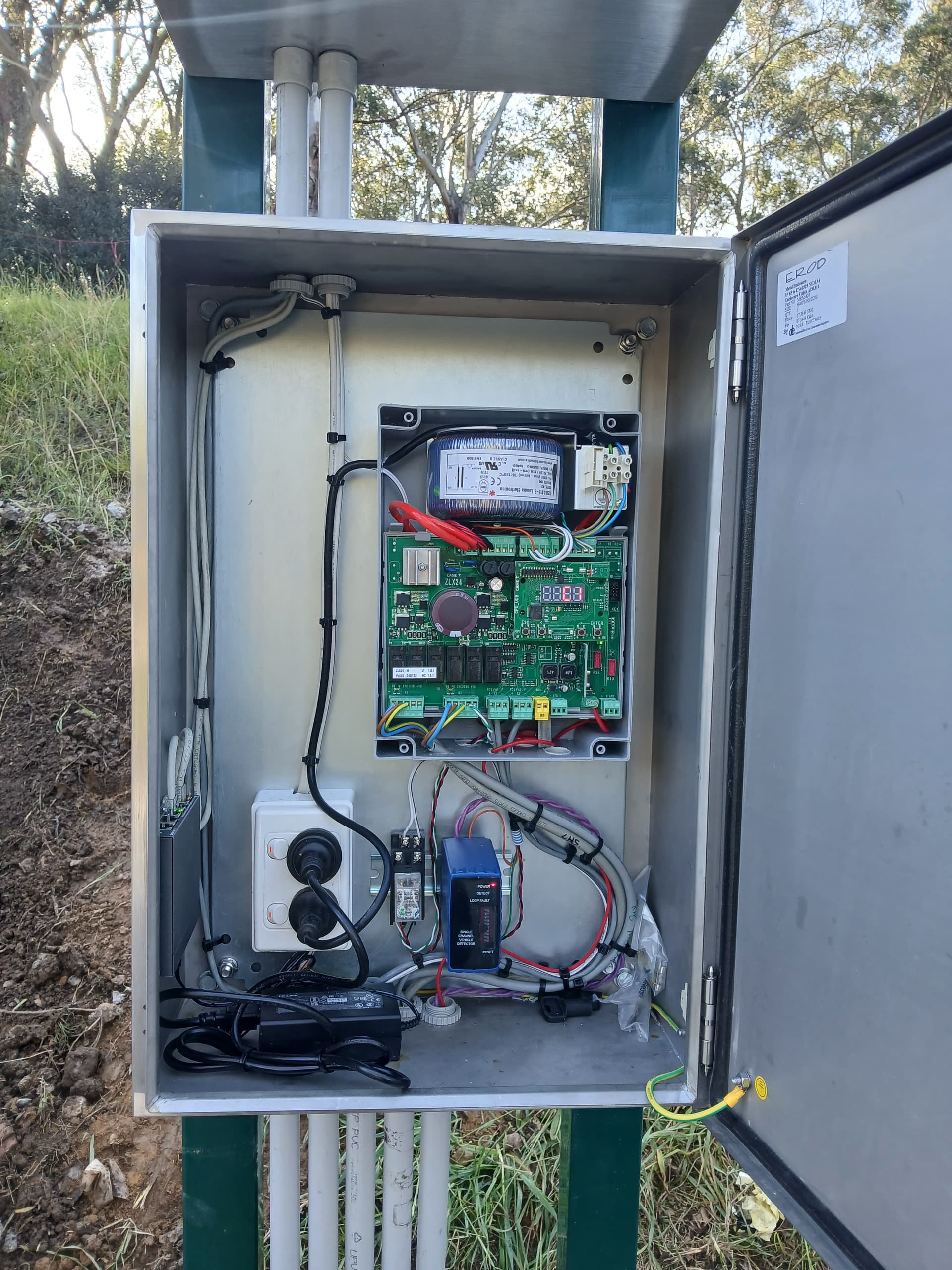
Although electric gates come with a plethora of benefits, you should take care of them properly to enjoy those perks for many years.
One way to do this is by avoiding these 10 common mistakes:
1. Not Performing Routine Maintenance Checks and Services
Skipping on rust prevention can cause a lot of problems down the line. Regularly checking and maintaining your electric gates can help prevent serious issues, like corrosion, from developing.
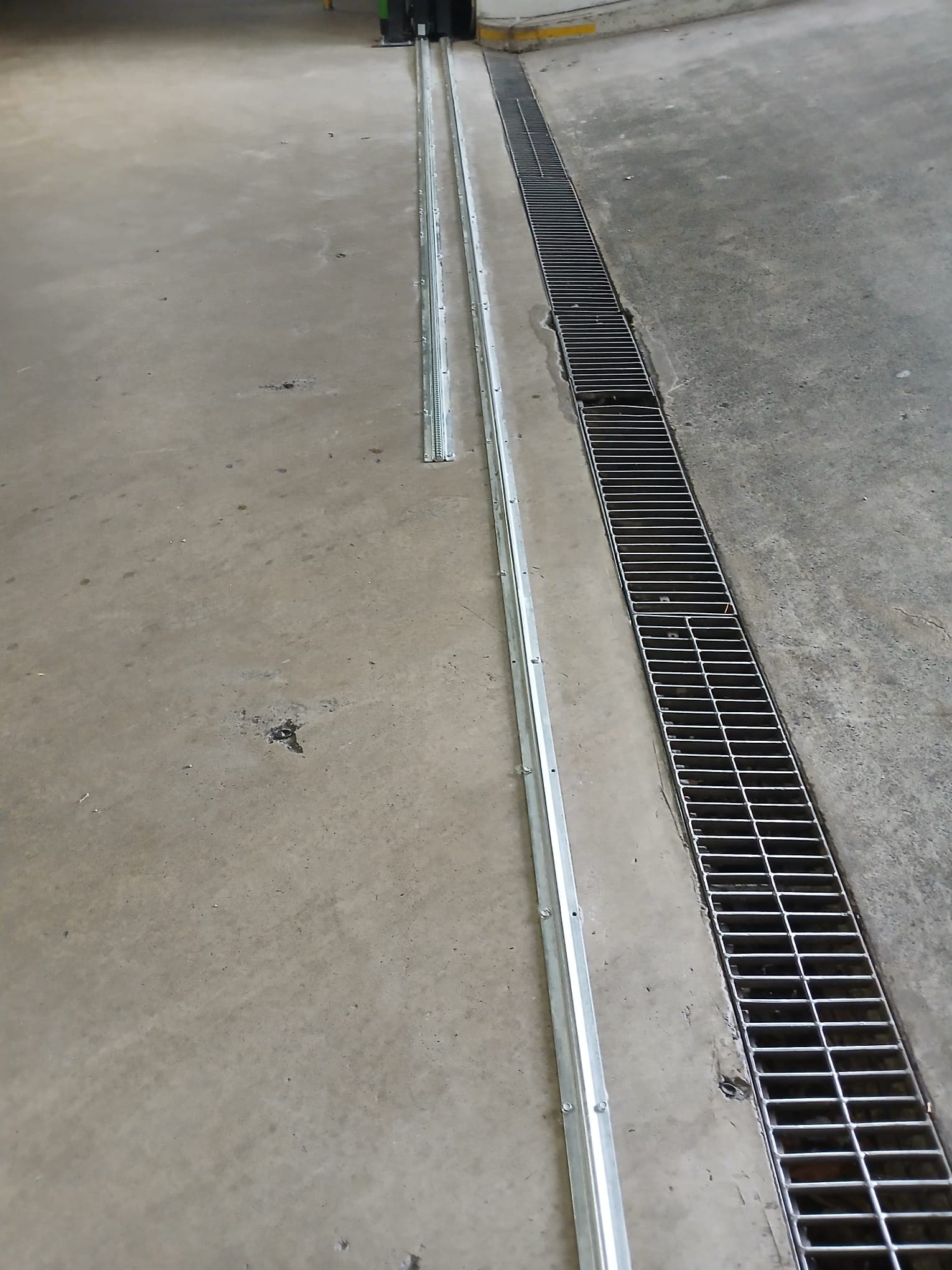
2. Trying to Fix the Problem on Your Own
Your first instinct when something goes wrong with your automatic gate may be to fix it yourself. However, this is often not a good idea. Without the right tools, knowledge, and experience, you could end up making the problem worse – or even injuring yourself in the process. Leave repairs to trained professionals who know what they’re doing.
3. Neglecting the Visual Aspects of Your Electric Gates
Just because your automatic gates are functional doesn’t mean that you should neglect their visual appeal altogether! Keep them clean and free of debris so that they continue to look nice year after year. This will also make it easier for any potential technician to spot any issues that need addressing.
4. Leaving the Remote in Plain Sight or in an Unsafe Location
If someone finds your remote control, they could gain access to your property without permission – which is why it’s important to keep it hidden away in a safe place (like a drawer or cabinet) when not in use. You might also want to consider investing in a wireless keypad entry system as an extra layer of security.
5. Not Updating or Replacing Old Parts and Equipment in a Timely Manner
Just like any other type of machinery, electric gates and gate openers will eventually start to show their age. Worn-out or outdated parts can not only diminish the overall function and performance of your system, but also pose a safety hazard. As such, it’s important to keep up with regular maintenance checks – and replace old parts as necessary.
6. Not Heeding Manufacturer’s Recommendations
Always heed the manufacturer’s recommendations when it comes to using, cleaning, maintaining, or repairing your electric gates and remote gate opener. Otherwise you could void your warranty – or worse, cause serious damage that would require costly repairs down the road.
7. Not Precisely Following the Installation Instructions
Installation instructions define product geometry, limits and commissioning steps; they are not a substitute for competence in the civil, structural, mechanical, electrical and safety work involved. Use appropriately qualified trades and an experienced gate installer, require commissioning records, and do not energise or operate an incomplete system.
8. Working With Inexperienced or Unlicensed Technicians
A gate technician should understand the specific operator, controls and safety devices and be able to isolate energy and test the completed system. Fixed electrical installation work must be performed by the appropriately licensed electrical trade for the jurisdiction. Ask for fault findings, work performed and post-repair test results rather than accepting an unexplained parts swap.
9. Rushing Into Making a Purchase Without Doing Your Research First
There are all sorts of different automatic gates and gate openers on the market these days – which is why it’s important to do your research before making a purchase. Not all products are created equal, so take the time to read reviews, compare features/prices, and find something that best suits your specific needs and budget.
10. Assuming That all Electric Gates and Gate Openers are the Same
Just because two electric gates look similar on the surface doesn’t necessarily mean they function in exactly the same way (or offer identical features). Be sure to do some research before settling on a particular product to ensure that it has everything you need (and nothing you don’t).
What an Owner Can Check — and When to Stop
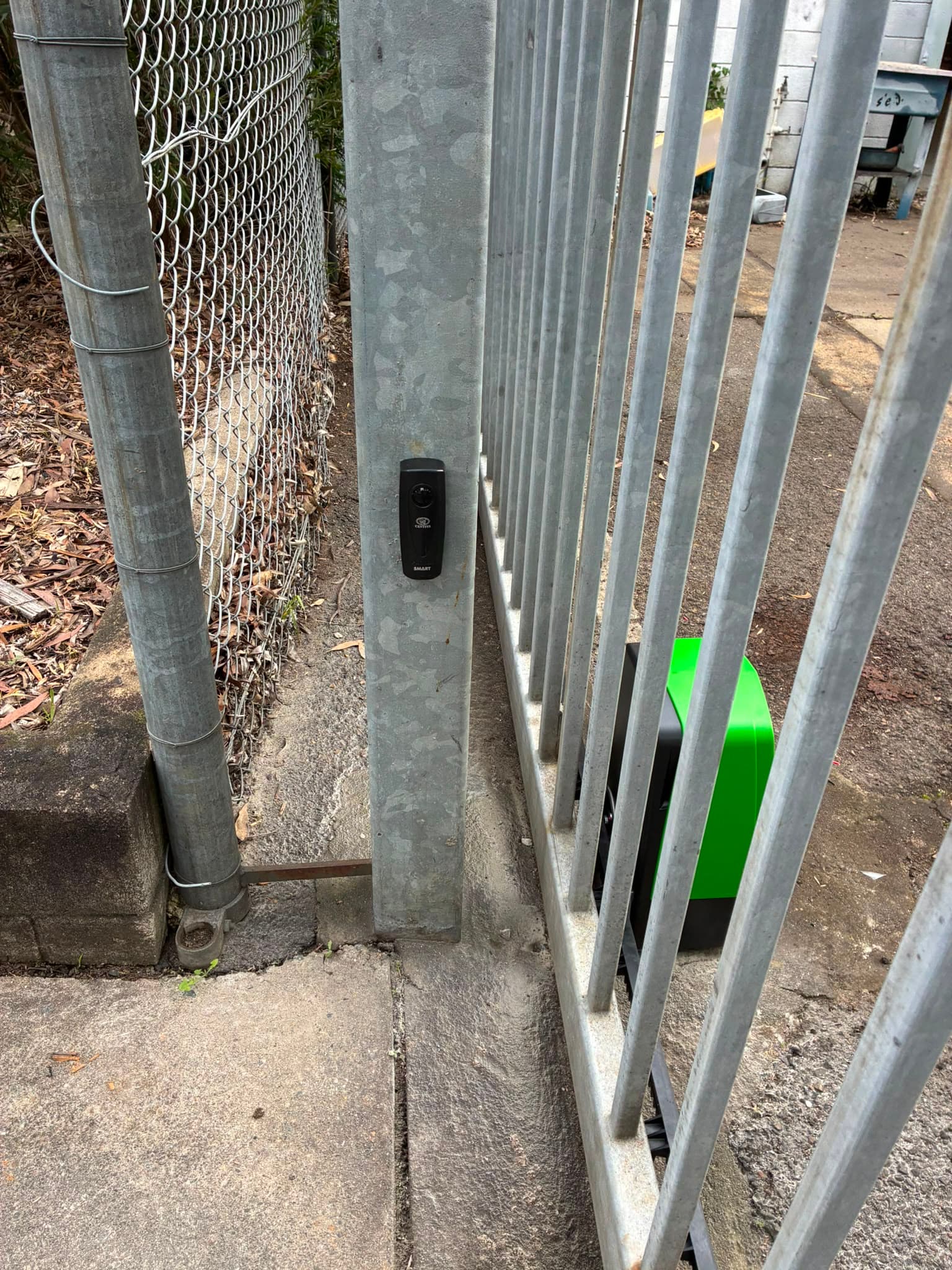
Without entering the movement area or removing covers, an owner or manager can record visible damage, unusual noise, changes in speed, water or debris around equipment, error messages and when the fault occurs. Keep people away and stop using the gate if movement is unpredictable, a safety device is damaged, the gate has left its guides, structural parts are loose, exposed wiring is visible or anyone could be struck, crushed or trapped. SafeWork NSW’s industrial gate safety guidance documents serious incidents and recommends risk assessment, competent installation, regular inspection and maintenance.
Use planned gate maintenance to track recurring defects and wear before a breakdown. For an active fault, arrange an automatic gate repair rather than repeatedly resetting the controller. If the system is obsolete or poorly matched to the gate, compare replacement gate motors and controls using the gate weight, geometry, duty, environment and safety brief.
Gate fault or overdue service?
Stop repeat faults with a documented inspection
Rapid Automatic Access can inspect the gate, operator, controls and safety devices, identify immediate defects and recommend repair or planned maintenance priorities.
Related articles

Automatic Gates
Types of Electric Automatic Gates
Compare swing, sliding, vertical-lift and bi-fold automatic gates, then assess the space, slope, traffic, safety and maintenance needs of your site.
Sliding & Swing Gates
Sliding vs Swing Gates: Which Is Best for Your Property?
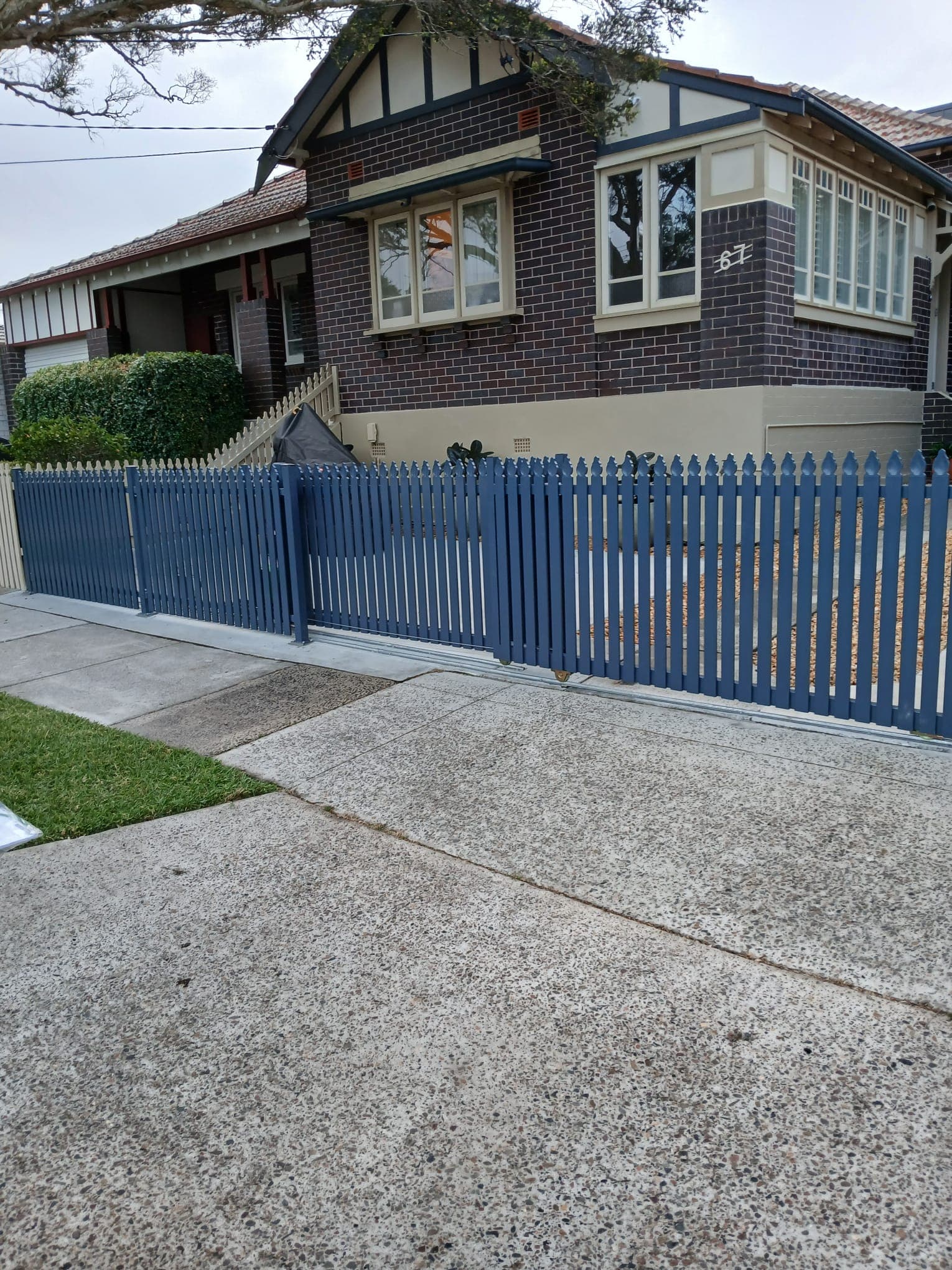
Compare sliding and swing gates by driveway slope, space, wind exposure, security, maintenance and traffic needs before choosing a system.
Compliance & Safety
Are Automatic Gates Safe and Secure?
Automatic-gate safety and security are different design problems. Learn what to assess for intrusion, credentials, tailgating, movement hazards and outages.