Commercial Car Park Safety and Access-Control Risk Assessment

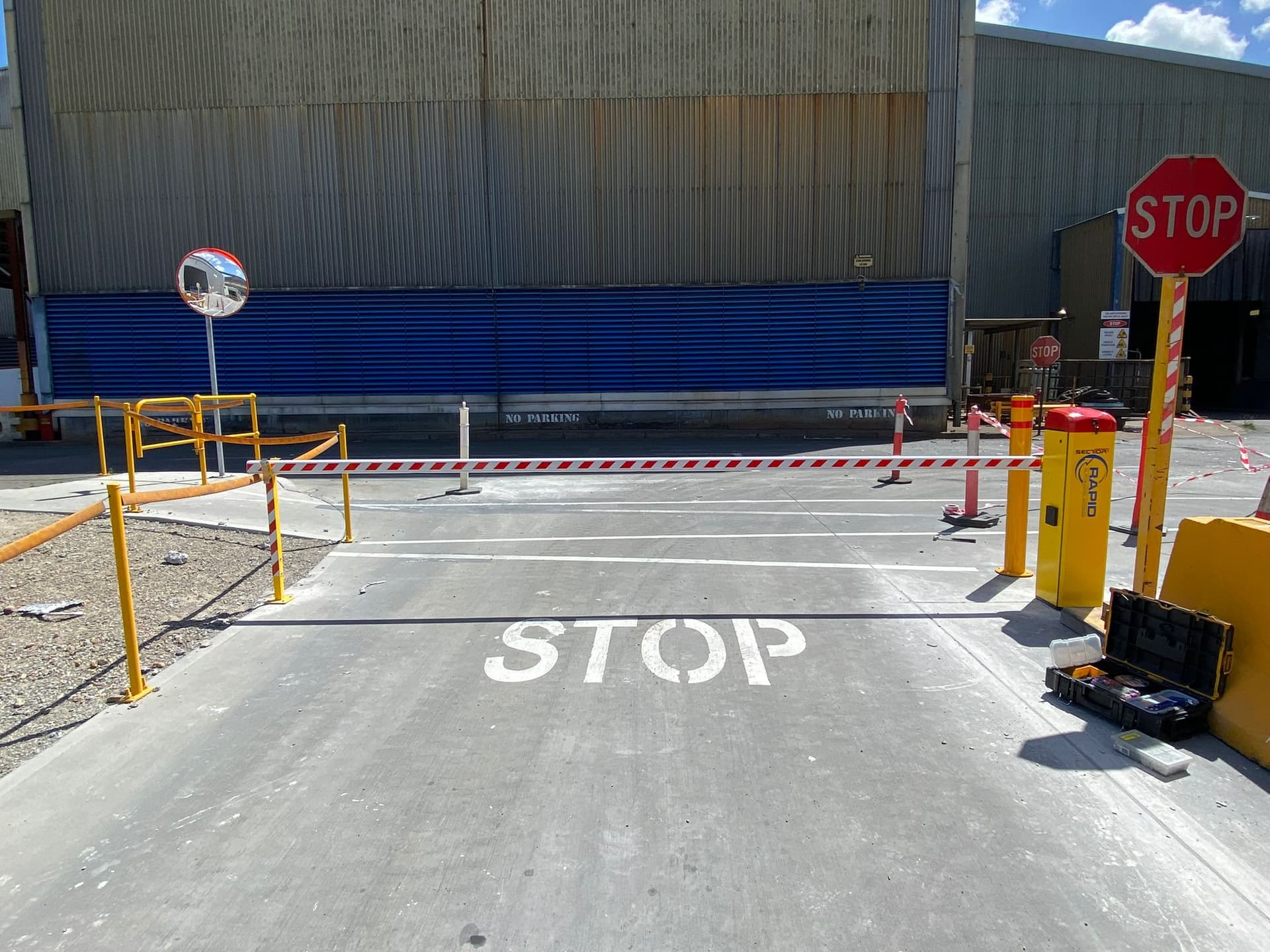
A commercial car park is a moving system, not a collection of isolated signs and devices. Drivers enter, queue, search, reverse and exit while pedestrians cross lanes, contractors service equipment and visitors try to understand unfamiliar instructions. A useful risk assessment therefore examines the complete journey from the public-road interface to the parking space and back out again. The boom gate, sliding gate, credential reader or intercom is only one part of that journey.
Define the Site, Users and Operating Periods
Record who uses the car park and when: staff, residents, customers, visitors, contractors, couriers, service vehicles, people with disability and emergency responders. Note opening hours, overnight operation, event peaks, shift changes and delivery windows. Count typical and peak movements rather than designing around an average day. The risk picture changes when an office car park becomes a delivery area before opening or a public venue releases hundreds of vehicles at once.
Map Vehicle and Pedestrian Conflict Points
The Safe Work Australia general guide to workplace traffic management describes traffic management as planning and controlling the movement of vehicles and pedestrians to create an orderly and safer environment. On site, mark every place a pedestrian route crosses an entry lane, exit lane, ramp, loading area or reversing zone. Look for blind corners, columns, parked vehicles and landscaping that block sightlines. Physical separation is generally stronger than relying only on paint or a warning sign, but the appropriate controls need to follow a site-specific risk assessment.
Check Where Vehicles Queue
Observe the entrance at the actual peak. Measure how long a normal credential transaction takes and how the lane behaves when a driver has no credential, cannot reach the reader, enters the wrong lane or needs help. Confirm that a queue does not extend over a footpath, intersection or public traffic lane. Provide a clear recovery path for rejected vehicles rather than expecting them to reverse through a queue. Faster barrier movement may help only after the credential process and lane capacity are understood.
Select the Barrier for the Operating Duty
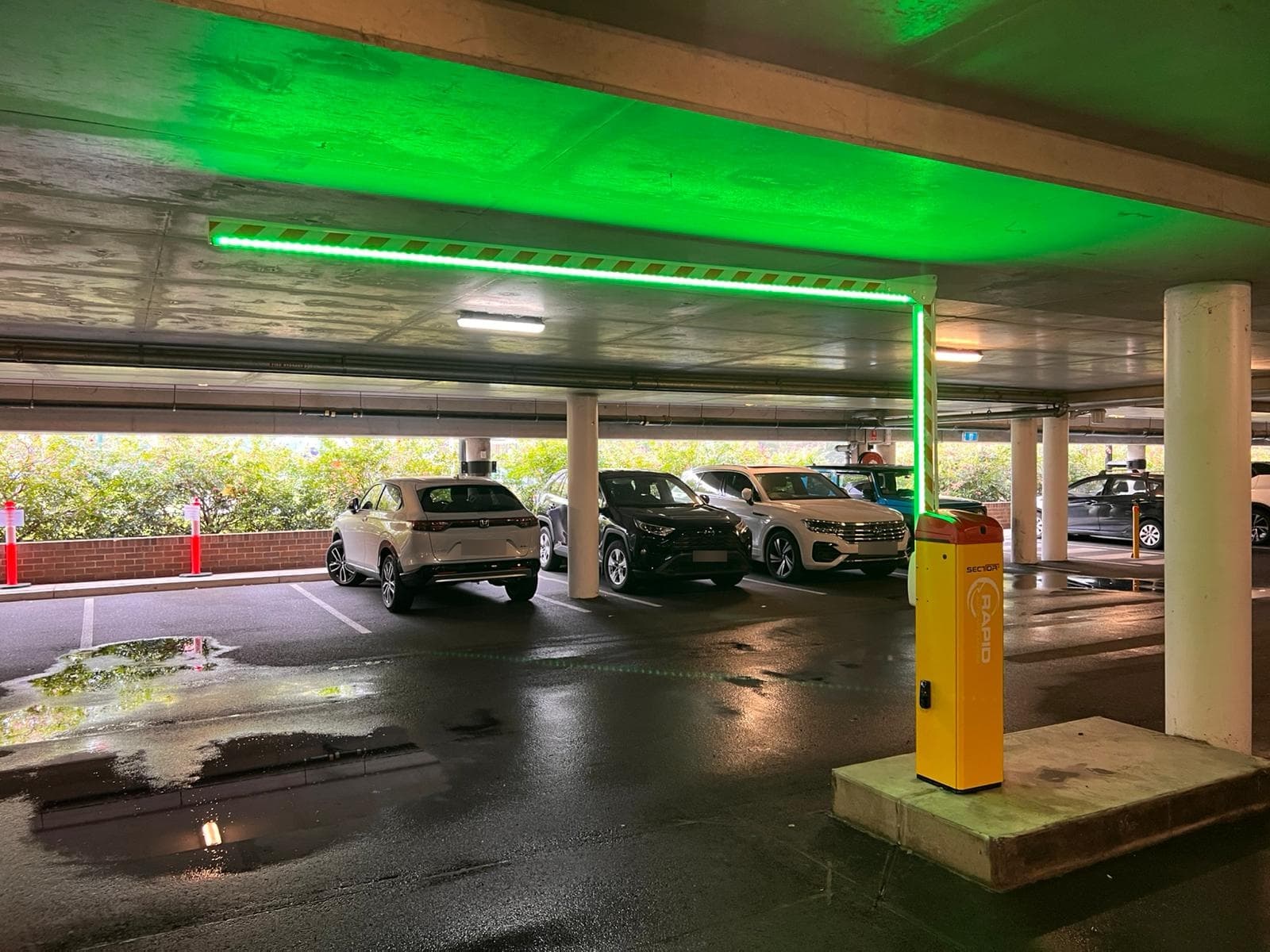
A boom gate can manage frequent vehicle movements with a visibly controlled lane, while a full-height sliding or swing gate may be selected where the site needs a more substantial perimeter closure. Compare clear opening, largest vehicles, arm or leaf movement, expected cycles, opening time, wind exposure, available space, pedestrian separation and what should happen outside operating hours. Do not choose a barrier only from the width of the lane.
Design Credentials Around the User Journey
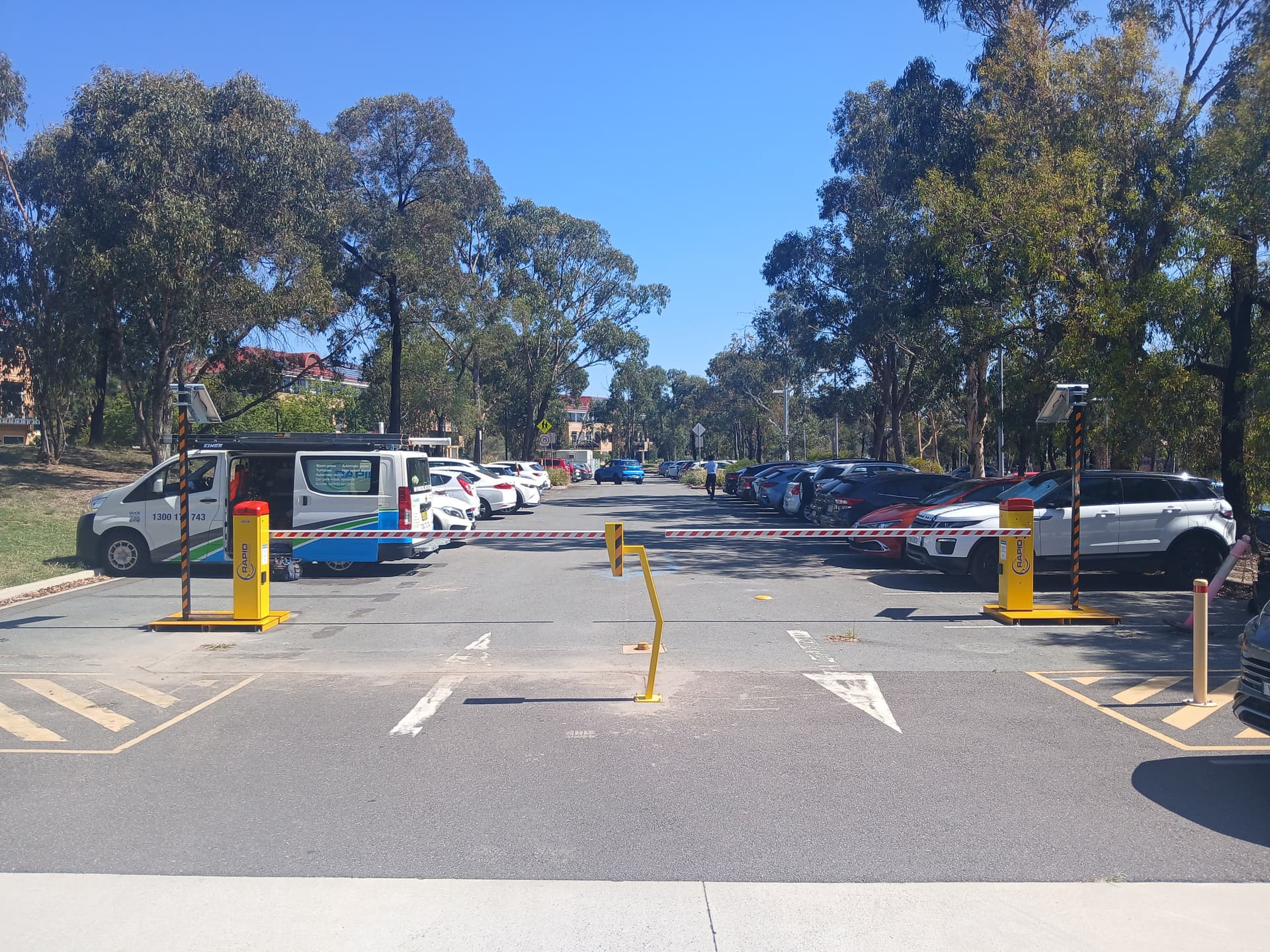
Cards, tags, remotes, keypads, intercoms, mobile credentials and number-plate recognition create different operating and administration requirements. The access-control system should define how visitors request entry, how lost credentials are cancelled, who can change permissions and what happens during a network or communications outage. Place equipment where intended drivers can reach and read it without opening a door into traffic or stopping in an unsafe position.
Decide What Access Data Is Necessary
Visitor details, credential assignments, number plates and identifiable CCTV footage may involve personal information. The Australian Privacy Principles published by the OAIC address collection, use, security, access and disposal for organisations to which they apply. Obtain appropriate advice for the site. Operationally, record the purpose for collecting each field, restrict administrative access, set retention rules and remove credentials promptly when they are no longer required.
Treat Detection as an Engineered Interface
Vehicle loops, photocells and other sensing devices may be used for presence, passage, activation or protective functions, but they are not interchangeable. Document what each device is intended to detect, the vehicle range, lane geometry and the system response if a signal is missing or contradictory. Motorcycles, high-clearance vehicles, trailers, tailgating vehicles and pedestrians can expose assumptions that were not apparent during a simple car test. Commission the complete sequence, not just the barrier’s opening command.
Plan for Tailgating Without Creating a New Hazard
A fast-following vehicle may enter on another user’s transaction. Reducing that behaviour can involve lane design, credentials, detection, intercom procedure, monitoring and incident follow-up. Avoid assuming the barrier should simply close sooner: the closing sequence needs to account for vehicle passage and the assessed risks around the moving arm or leaf. Security procedure and safe movement must be designed together.
Inspect Lighting, Signs and Sightlines at Night
Repeat the assessment after dark and in poor weather. Check whether drivers can see the stop position, barrier, reader, pedestrians and exit direction without glare. Confirm that signs are placed where the decision is made and can be understood before the vehicle reaches the equipment. Inspect whether landscaping, advertising, stored goods or temporary works have narrowed a sightline that was clear at commissioning.
Define Failure, Emergency and After-Hours Operation
Write down what happens during a power outage, network failure, damaged barrier, lost credential, fire alarm or medical emergency. Identify who can isolate or release equipment, how the lane is secured, who directs traffic and how authorised responders enter. Site-specific emergency access must be coordinated with the relevant authorities and approval requirements. A manual-release key without an accessible, trained and authorised person is not a complete failure plan.
Make Inspection and Maintenance Observable
Create an inspection schedule based on the equipment, traffic and environment. Record impacts, unusual noise, slow movement, damaged arms, loose hardware, water ingress, reader faults and changes to the lane. Ensure maintainers can reach the operator and control equipment without standing in live traffic. Planned service and maintenance should include the barrier and its interfaces rather than treating each recurring fault as an isolated callout.
A Practical Walkthrough for the Facilities Manager
Walk the site as a first-time visitor, a pedestrian, a delivery driver and the person responding to a fault. Observe a real peak, review incident and callout records, photograph conflict points, test the approved failure procedure and list every party who controls part of the system. Use those findings to brief traffic, WHS, fire, electrical, privacy or access specialists where their expertise is required. A scoped car park access assessment can then focus on the gate, credentials, detection and maintenance interfaces within that wider risk plan.
Responsible for a busy car park?
Find the access and traffic risks before they become incidents
Rapid Automatic Access can assess lane layout, traffic flow, credentials, detection, pedestrian interfaces, boom-gate requirements and ongoing maintenance.
Related articles
Boom Gates
How to Build a Business Case for a Boom Gate
Build a credible boom-gate business case using traffic, staffing, incidents, downtime, integration, maintenance and measured payback assumptions.
Boom Gates
Where Boom Gates Work: Requirements by Site Type
Compare boom-gate requirements for strata, parking, logistics, hospitals, construction and secure facilities by traffic, credentials, safety and uptime.
Boom Gates
What to Know Before Installing a Boom Gate in Your Strata
A planning checklist for Australian strata boom gates covering owner approval, site design, electrical work, access, safety and ongoing maintenance.